8:00 AM Slot: Timing Your Vatican Museum Visit Right
"The line stretches past the museum walls, a sea of travelers waiting for a glimpse of Michelangelo's genius."
If you walk up to the Vatican Museums without a reservation, you aren't just signing up for a walk; you are signing up for a battle against time and crowds. To see the masterpieces without losing your mind, you must secure your entry before you even pack your bags.
* Book early: Online reservations are the only way to bypass the massive, unpredictable queues. * Time your entry: Early morning or late afternoon slots offer the best chance to avoid the densest crowds. * Know your pass: Choose between self-guided entry or comprehensive passes like the OMNIA to maximize your time in Rome.

Why Advance Planning is Non-Negotiable for the Vatican Visit
The sun hits the cobblestones of Borgo district at 8:00 AM, and even then, the line of travelers is already forming. You stand there, checking your phone, wondering if the three-hour wait will be worth seeing a single ceiling.
According to World Bank, Italy recorded international tourist arrivals of 38,419,000 in 2020.
The sheer volume of visitors makes advance planning a necessity rather than a luxury. Because the museum holds an immense collection within a finite space, the density of people can turn a cultural pilgrimage into a claustrophobic struggle.
There is a profound difference between simply "visiting" a museum and truly "experiencing" the art. When you are pushed through a corridor by a wall of tourists, you aren't looking at the Laocoön sculpture; you are looking at the back of someone else's head.
Preparation also extends to the rules of the house. Modesty is mandatory; you cannot walk through these halls in summer attire that exposes shoulders or knees. If you arrive at the gate in a tank top, your "skip-the-line" ticket won't save you from being turned away.
Comparing self-guided tickets against guided tours is your first major decision. While self-guided is cheaper, a guided tour often provides a smoother flow through the most crowded transition points.
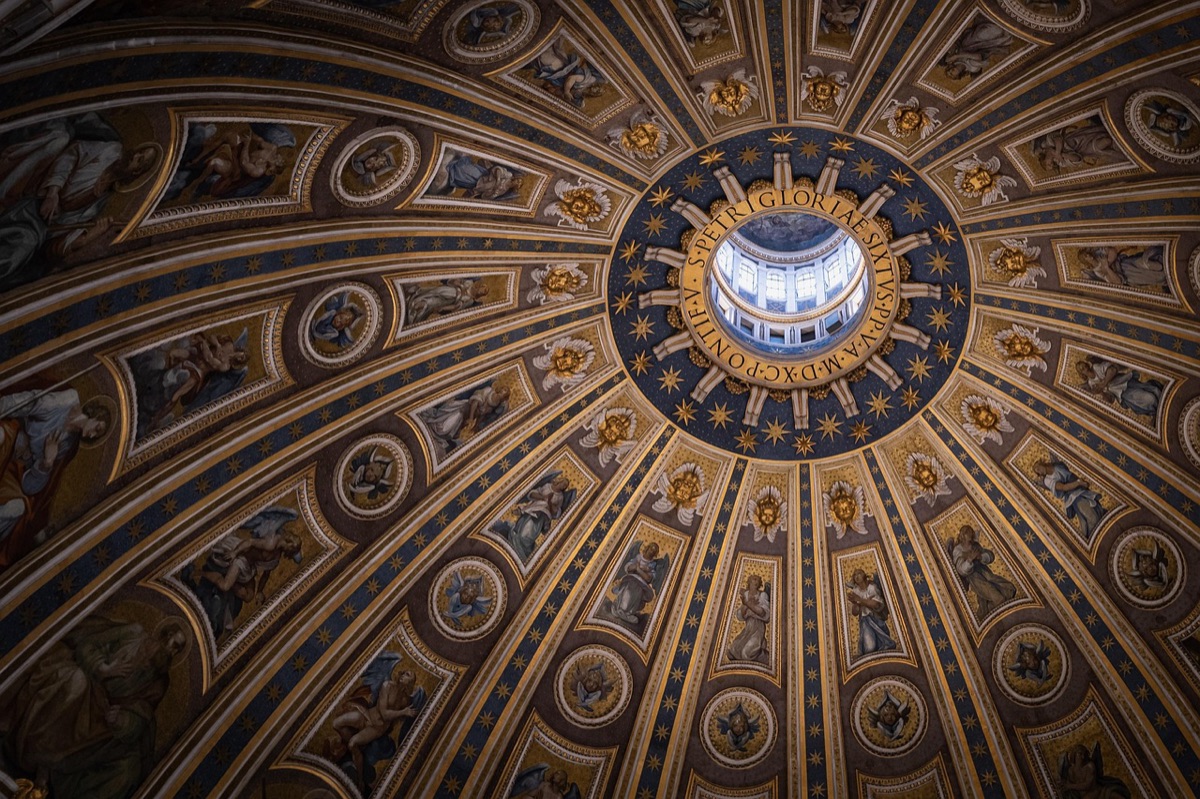
How do I build the perfect booking strategy? A traveler sits in a crowded cafe near Piazza Navona, staring at a laptop screen, trying to decipher which website is the official one. The frustration of clicking "buy" only to see "sold out" is a common Roman heartbreak.
The first step in your strategy is distinguishing between official and third-party tickets. The official Vatican website is your best bet for the lowest prices, but tickets often sell out weeks in advance.
Third-party agencies offer convenience and often include guided tours, but you will pay a premium for that service. If the official site is sold out, a third-party tour is often your only way to secure a timed entry.
To secure your slot, follow this sequence: 1. Check the official Vatican Museums website for availability in your desired month. 2. If unavailable, look for reputable tour operators that offer "skip-the-line" access. 3. Select a timed-entry slot that aligns with your energy levels.
Timing is a strategic tool. While standard entry gets you in the door, certain passes—like the OMNIA Vatican and Rome pass—are designed to streamline the experience. These passes often include fast-track entry to St.
Peter's Basilica and a three-day hop-on-hop-off bus tour, which can be a lifesaver when navigating the city. When looking at costs, remember that the base ticket covers entry, but audio guides or specialized tours are additional expenses that can significantly change your budget.
How can I master the timing and flow of my visit? The museum doors creak open, and a surge of people moves toward the first gallery. You realize that even with a ticket, the crowd is moving like a slow, heavy tide.
To achieve peak success, you must master the "quiet hours." While the museum is busy all day, the very first entry slot of the morning is generally the most manageable. Alternatively, late afternoon entries can sometimes catch the crowd as they begin to thin out toward the exit.
A logical flow is essential to maximize efficiency. Most visitors follow a path from the various galleries toward the crowning jewel: the Sistine Chapel. However, the Sistine Chapel is a high-traffic bottleneck.
To avoid the worst of it, try to time your arrival at the chapel for the middle of your visit, rather than right at opening or right before closing, when everyone else is making the same move.
If you plan to visit St. Peter's Basilica as well, remember that the museum and the Basilica are separate entities. You cannot walk directly from the Sistine Chapel into the Basilica; you must exit the museum and navigate back toward the square.
Plan your day so that you aren't rushing between these two massive landmarks in a state of exhaustion.
Beyond the Ticket: Essential Visitor Intelligence
You stand at the security checkpoint, looking down at your sneakers and then at your heavy backpack. The guard gestures toward a bin, and you realize you didn't prepare for the strictness of the entry process.
According to UNESCO, 50% of the tourists who visit the UNESCO heritage sites in Italy are foreigners, and of these, 75% are in Italy for a cultural holiday.
The logistics of a Vatican visit require careful packing. You should bring comfortable walking shoes—do not attempt this in heels or flimsy sandals. Avoid large backpacks, as they can be cumbersome in tight crowds and may be subject to extra security checks.
Small items like water bottles are essential, but remember that you will need to navigate security with everything you carry.
The dress code is non-negotiable. For women, this means shoulders must be covered and skirts or dresses must reach at least to the knees. For men, shorts should be of a modest length. This is a place of worship as much as a museum, and the rules reflect that.
Regarding local logistics, remember that the Vatican is a distinct entity within Rome. While it is central, you may need to use public transport to get there from hubs like Termini Station. Keep your travel documents and tickets in a secure, easy-to-reach place.
| Feature | Self-Guided Ticket | Guided Tour | OMNIA Pass |
|---|---|---|---|
| Price Point | Lowest | Moderate to High | High |
| Crowd Management | Manual | High (Guided flow) | High (Includes fast track) |
| Includes Audio/Guide | Optional Add-on | Included | Included |
| Best For | Budget travelers | History enthusiasts | All-in-one travelers |




Comments 0