48/72 Hour Pass: Is the Roma Pass Right for Your Rome Visit?
"The best way to conquer Rome isn't by owning every ticket, but by knowing which ones actually matter for your feet."
Whether you are a history buff looking to hit every museum or a casual wanderer who prefers a slow stroll, choosing between a city pass and individual tickets is the first real hurdle of a Roman vacation.
* Core Concept: The Roma Pass combines public transit with museum entries, but individual tickets might save you more if you prefer walking. * Duration: Typically decided by your itinerary, usually fitting 48-hour or 72-hour windows. * Pro Tip: Calculate the total cost of your planned museum entries against the pass price before buying.

Should I buy a pass or just wing it?
It is 2:00 PM on a humid Tuesday in May, and you are standing on a narrow, cobblestone street near the Pantheon, wiping sweat from your forehead while squinting at a digital map.
Ahead lies the massive dome of the Pantheon, but your next stop, the Borghese Gallery, requires a bus ride that might take thirty minutes or an hour. You look down at your pocket, wondering if the transit pass you just bought is actually worth the weight.
Planning a trip to Rome presents a unique challenge: the tension between ancient ruins and modern transit. Because the city is built in layers of history, walking is often the default mode of travel, but relying solely on your legs can lead to exhaustion.
During peak seasons like 2025 and 2026, when crowds are thick, deciding how to move efficiently can define the quality of your trip. Many travelers turn to the Roma Pass to solve this. However, buying a pass without a plan often leads to wasted money and missed opportunities.
The right choice depends entirely on your specific itinerary.

Is the Roma Pass actually worth the money?
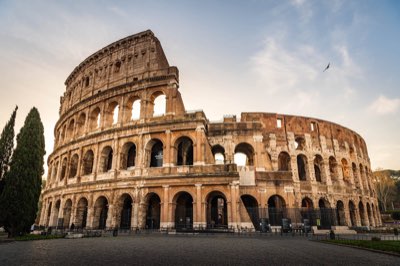
You stand before the Colosseum, looking at the massive, winding lines of people waiting for entry, and feel a momentary sense of relief knowing you have a pass in your hand. But if your hotel is right next to the ruins you planned to visit, that sense of relief might quickly turn into regret.
The Roma Pass generally comes in 48-hour and 72-hour versions. The value is built on two pillars: unlimited use of public transportation (buses, metro, and trams) and a set number of free or discounted entries to major museums and archaeological sites.
There is a catch, however. The pass is not a magic key to every door in the city. For example, the 48-hour pass covers the first two museum entries, while the 72-hour version offers two free entries followed by discounts on subsequent ones.
You must ensure that the total cost of the sites you want to visit is significantly higher than the price of the pass itself. It is also worth noting that the historical center (centro storico) is quite small, only around 4% of the city's area.
| Feature | 48-Hour Roma Pass | 72-Hour Roma Pass | Individual Tickets |
|---|---|---|---|
| Primary Benefit | 2 free entries + unlimited transit | 2 free entries + unlimited transit | Pay-as-you-go |
| Best For | Intense 2-day sightseeing | 3-day high-activity travelers | Slow-paced, walking travelers |
| Pros | Efficient for short, dense trips | Covers 3 days of movement | No wasted money on unused perks |
How do I design an efficient route?
You find yourself climbing steep metro stairs, breathing heavily, only to stand at a bus stop for thirty minutes waiting for a vehicle that might be delayed by narrow, winding streets. The unpredictability of Roman bus schedules can quickly drain the joy out of a morning exploration.
The unlimited transit included in the Roma Pass is a major draw in these moments. However, many of Rome's most famous landmarks are clustered relatively close together. The historical center is a compact zone, which makes walking a viable alternative to transit.
If your accommodation is near Termini Station, using the metro and buses to reach major hubs is incredibly easy. However, if you are staying near Piazza Navona or the Pantheon, you might find that you don't need a pass at all, as most major sites are within walking distance.
The key is to weigh "travel distance" against "entry fee savings." If your itinerary includes high-priced sites like the Colosseum or the Capitoline Museums, a pass makes sense.
If you prefer visiting beautiful churches and open-air piazzas that don't charge entry, individual tickets are much more economical.
Why is there a special choice between Vatican and Rome?
You step into the vast, silent halls of the Vatican Museums, feeling small beneath the weight of centuries of art, and realize your legs are aching from the miles already covered. Because the Vatican is a separate city-state, your transit strategy must account for this unique geographical quirk.
There is another option to consider for those looking to maximize their time. The OMNIA Vatican and Rome pass is a specialized alternative. This pass includes the services of the Roma Pass, but adds entry to the Vatican Museums and the Sistine Chapel, fast-track entry to St.
Peter's Basilica, and a 3-day hop-on-hop-off bus tour.
If your primary goal is to conquer both the Vatican and the core Roman landmarks in one go, this might be your strongest tool. When I was looking at my own itinerary, I realized that trying to squeeze everything into one pass was a recipe for burnout.
- Vatican-Centric: If your main priority is the Vatican and major museum collections, look into the OMNIA pass.
- City-Centric: If you want to focus on Roman ruins and ease of movement within the city, the Roma Pass is better.
- Walking/Relaxed: If you are staying in the center and prefer strolling, stick to individual tickets and walking.

How do I avoid common travel mistakes?
It is 8:00 PM, and you are heading back to your hotel, only to realize you forgot to validate your bus ticket, leading to a tense encounter with a ticket inspector. Roman inspectors are strict, and failing to follow the rules can lead to immediate fines.
To ensure a smooth trip, keep these practical tips in mind:
* Prepare for inspections: When using a bus or metro, you must validate your ticket in the machines immediately upon boarding. An unvalidated ticket is treated as if you have no ticket at all. * Choose your base wisely: * Near Termini: Excellent for transit, but requires more awareness regarding local security. * Navona/Pantheon Area: Perfect for walking to everything, but hotel prices are much higher. * Trastevere: Great for nightlife and atmosphere, but you will rely more heavily on buses or trams to reach the center. * Treat Vatican travel separately: The Vatican is a separate entity. While you can use city transit to get close, remember to account for extra travel time and separate entry requirements. * Balance cash and cards: While many transit options can be paid by card, smaller shops or certain ticket machines might still require cash.
How do I find my perfect combination?
On your final night, you sit at a small cafe, looking back at the maps and the miles covered. Some days were spent resting on a bus, while others were spent walking until your feet felt heavy. According to the World Bank, Italy recorded international tourist arrivals of 38,419,000 in 2020.
Ultimately, the right choice depends on your stamina and your goals. If you plan to visit two or more paid museums every single day and your hotel is far from the historic center, the Roma Pass is a smart investment.
However, if you love wandering through narrow alleys and would rather spend your extra money on a high-quality gelato, then individual tickets and walking is the superior choice.
Rome reveals itself more deeply the more you walk its streets. Instead of buying a pass just because it exists, map out where your feet will actually go. Once that blueprint is clear, your perfect Roman journey will begin.






Comments 0