90-Minute Visit: Colosseum Planning for Maximum Impact
"The difference between a legendary Roman adventure and a miserable afternoon of heatstroke is often just a single, well-timed click on a website."
* Pre-booking is non-negotiable for a smooth visit. * Timing your visit relative to the crowds dictates the quality of the experience. * Understanding ticket tiers (e.g., standard vs. underground/arena access) is crucial for maximizing value. * Strategic planning minimizes time spent queuing and maximizes time spent absorbing history.
When and How to Buy: Navigating the Ticket Wars
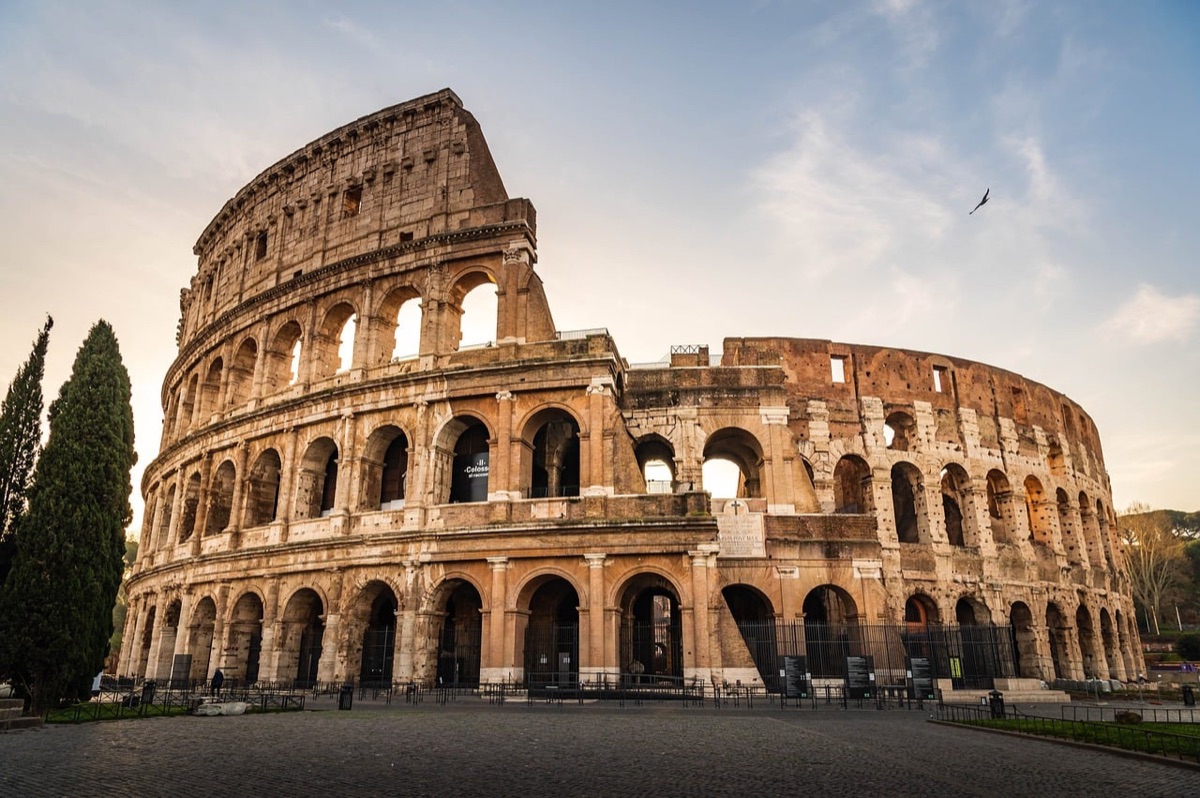
The sun beats down on the cobblestones of Via dei Fori Imperiali as a line of travelers snakes toward the massive stone arches of the Flavian Amphitheatre. You stand there, clutching a printed confirmation, watching hundreds of people shuffle forward in a slow, hot rhythm.
According to World Bank, Italy recorded international tourist arrivals of 38,419,000 in 2020.
Securing your entry is the difference between a profound historical encounter and a frustrating afternoon of standing in line. Because of the sheer volume of visitors—for context, in 2025, the city of Rome saw record-breaking numbers of global visitors—the "sold out" sign is a very real possibility.
You must use the official ticketing channels, which often release tickets in batches. When you see a "Sold Out" status, it often means the specific time slots for that day are gone, not that the entire season is finished.
Always look for the exact entry time slot; once you arrive, you cannot simply walk in whenever you feel like it.
If the official site is empty, you may need to look into authorized third-party guided tours. While more expensive, these often have separate access windows that bypass the general public queues. But even with a ticket in hand, you might still find yourself stuck in a bottleneck.
Why is timing everything for the perfect view?
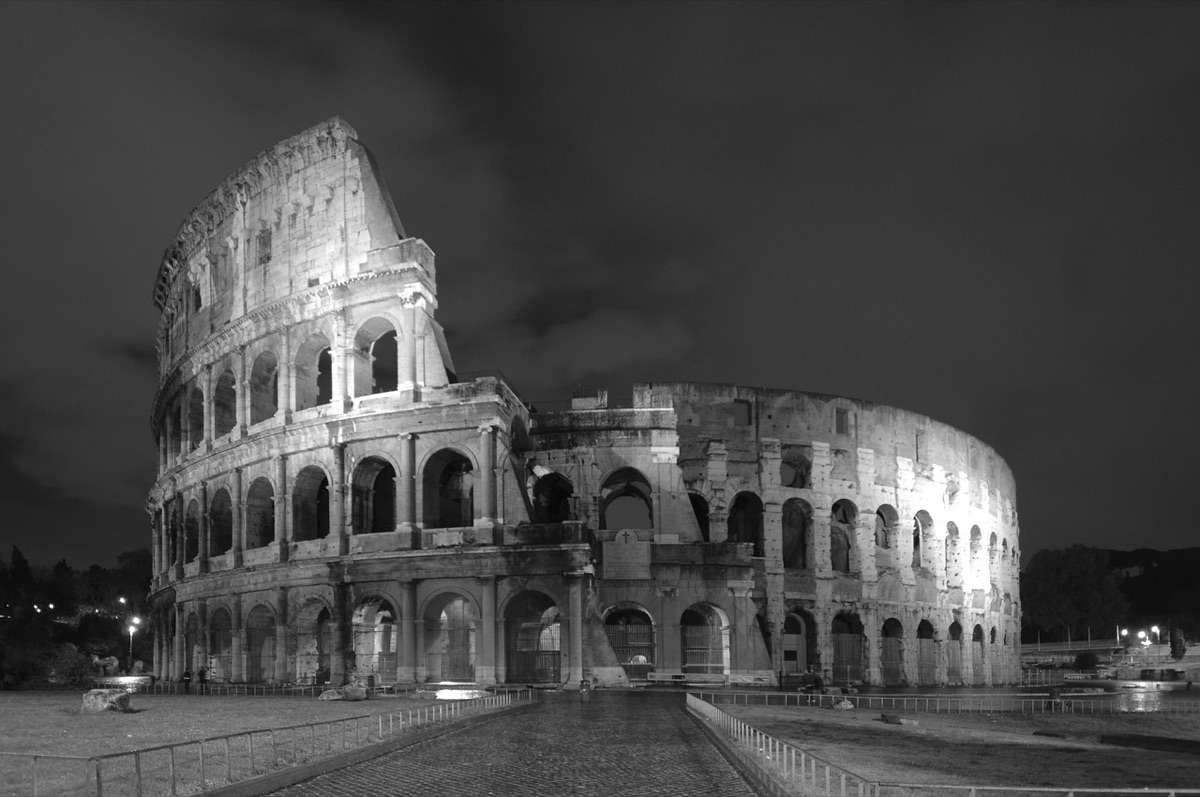
The morning air is still cool as you walk through the security checkpoint, the shadow of the massive walls stretching across the plaza. You check your watch, noting that you have exactly thirty minutes of security screening before you can step into the arena.
To truly feel the weight of history, timing is everything. The best way to avoid the densest crowds is to book the earliest possible morning slot or a late afternoon entry. In the summer of 2026, the heat can reach 35 degrees Celsius by noon, making midday visits physically draining.
Early morning light hits the stone in a way that highlights the textures of the ruins, and you beat the heat of the midday sun.
Once inside, your route should be intentional. Most visitors start on the ground level, looking up at the tiered seating. However, the most impactful views often come from the upper levels, where you can look down into the heart of the structure.
A typical visit requires about 90 minutes to two hours of walking and viewing, but you must factor in at least 30 to 45 minutes for security checks and transit between the Colosseum and the adjacent Roman Forum. But what happens when you want to go deeper than the surface level?
What is the real difference in the underground tours?
The air grows cooler and more damp as you descend a narrow stone staircase into the lower levels of the structure. You find yourself standing in the shadows of the Hypogeum, looking up at the remnants of the arena floor.
For those seeking a deeper connection to the past, specialized tours are the gold standard. An underground or "Hypogeum" tour allows you to walk through the tunnels where gladiators and animals once waited.
This is a vastly different experience than the standard ticket, which generally keeps you on the main spectator levels.
It is also important to understand that a standard Colosseum ticket often includes access to the Palatine Hill and the Roman Forum. These areas are part of the same archaeological park. While the Colosseum is the centerpiece, the Forum offers the sprawling context of the city's heart.
For those with mobility issues, be aware that the ancient terrain is uneven; while some areas are accessible via lifts, the original stone paths can be challenging. However, you need to know how to manage your budget before you commit to these premium experiences.
How do you balance the budget against the experience?
You sit at a small cafe table in the Monti neighborhood, looking over your receipts and wondering if the premium price of the VIP tour was truly worth it. The espresso is strong, and the weight of the day's decisions begins to settle.
When budgeting, you must weigh the cost of convenience against the depth of the experience. A standard ticket is much cheaper but limits you to the general spectator areas. An arena-floor ticket allows you to stand where the action once happened, providing a much more visceral sense of scale.
| Ticket Type | Primary Feature | Best For |
|---|---|---|
| Standard Entry | General spectator levels | Budget-conscious travelers |
| Arena Floor Access | Standing on the reconstructed floor | Immersive, central views |
| Underground/Hypogeum | Access to the lower tunnels | History enthusiasts & photography |
| Full Park Pass | Includes Colosseum, Forum, & Palatine | Comprehensive historical exploration |
Is a guided tour worth the extra money? If you are a history buff, the answer is usually yes. A guide provides the narrative that turns a pile of stones into a living story.
If you are traveling in a large group, look into group rates or combined passes that include the Roman Forum to maximize your value. But even with the perfect ticket, you still have to survive the physical reality of the site.
How do you survive the crowds and the heat?
The sun is high now, and the sound of a thousand different languages creates a constant hum in the air. You wipe a bead of sweat from your forehead and adjust your backpack, feeling the grit of the city on your skin.
To survive the Roman heat and the crowds, you need a plan. When I visited last year, I realized that the sheer physical exhaustion of the heat was as much of a challenge as the crowds themselves. Follow this checklist to keep your sanity:
- Hydration Strategy: Carry a reusable water bottle. There are several public fountains (nasoni) around the site where you can refill for free.
- Footwear Check: Wear sturdy, broken-in walking shoes. Do not attempt this in sandals or flip-flops; the uneven stones are dangerous.
- Security Readiness: Treat the checkpoint like an airport. Have your tickets, passports, and any liquids (which must be in clear bottles or non-glass containers) ready before you reach the front of the line.
- Pacing: Do not try to do everything in one day. Plan to spend the late afternoon wandering the quieter streets of Trastevere or sitting in a piazza to decompress.
Regarding security, have your documents ready before you reach the front of the line to prevent bottlenecking. If you are visiting the Colosseum, plan to spend the late afternoon wandering the quieter streets of Trastevere or sitting in a piazza to decompress.
#






Comments 0