Rome's Trevi Fountain: Skip Crowds with 6 AM or 11 PM Visits
"Will I ever hear the water splash without a thousand voices drowning it out?"
To witness the white marble and turquoise waves of the Trevi Fountain in their true glory, you must catch the moments when the crowds vanish. This guide offers a specific time-based strategy to help you face Rome's most magnificent masterpiece without being pushed by the tide of tourists.
* Golden Hours: Between 6:00 AM and 7:00 AM, or after 11:00 PM. * Time Required: Approximately 30 minutes for a relaxed viewing. * Key Tip: Avoid midday visits and plan your route based on the angle of the light and the movement of the crowds.

Why does everyone flock to the Trevi Fountain?
At dawn, the cool air of a Roman alleyway leads you through a narrow passage, and suddenly, a massive wall of white marble appears. The thunderous sound of rushing water cuts through the quiet morning air to greet you.
When I visited during the autumn of 2025, the 6:00 AM air brought a chill to my nose and a sense of historical awe to my soul. According to World Bank data, Italy recorded a share of internet users of 89.2% in 2024.
The Trevi Fountain (Fontana di Trevi) is the ultimate Baroque masterpiece and a symbol of Rome. Built at the terminus of the ancient Aqua Virgo aqueduct, the fountain is more than just a water feature; it is a concentrated expression of the city's history and art.
The historical center (centro storico) is quite small, only around 4% of the city's area, yet it is packed with this kind of dense, overwhelming wonder.
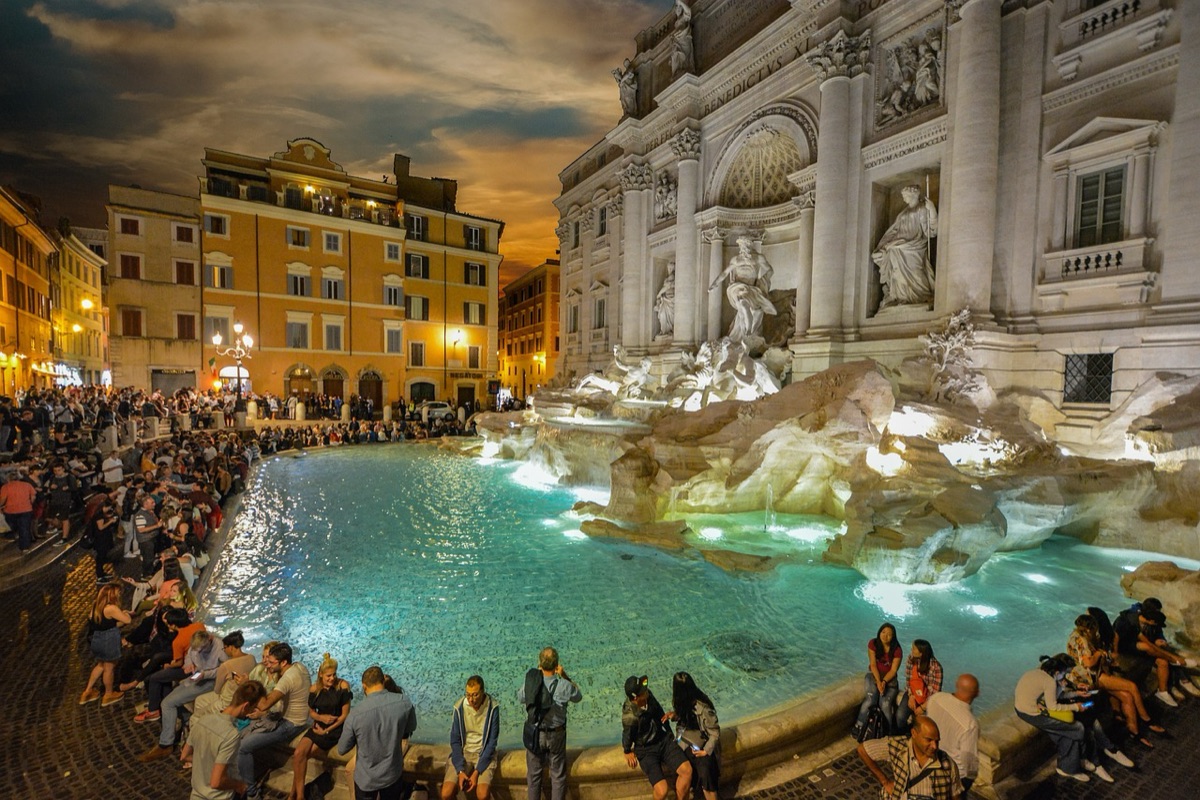
Thousands of travelers visit every single day. Some toss a coin and pray to return to Rome, while others stand in line just to capture a single shot for social media. However, during the midday rush, the fountain can feel less like a scenic landmark and more like a struggle for survival.
To feel the true soul of Rome, you need a time when you can focus on the sound of the water rather than the noise of the crowd.
How can you capture the perfect moment?
At 11:00 AM, the Trevi Fountain is a sea of people under a punishing sun. Shoulders bump, and through a forest of smartphone lenses, you can barely see the sculpture. It is a frustrating way to experience such beauty.
To truly enjoy the fountain, you should choose between two distinct timeframes.
1. The Silence of Dawn (6:00 AM – 7:00 AM) This is the most highly recommended time. Before the Roman morning truly begins, while the streetlights still cast a soft glow, the sculptures seem to come alive with a mystical energy.
With almost no tourists, you can actually sit by the ledge and listen to the water.
2. The Splendor of Night (After 11:00 PM) Once the sun has fully set and the artificial lights take over, the fountain reveals a completely different character. Late at night, the constant stream of tourists begins to thin out.
It is the most romantic time to soak in the night air and toss a coin.
[Comparison of Visiting Times]
| Category | Dawn (06:00-07:00) | Midday (11:00-16:00) | Late Night (23:00+) |
|---|---|---|---|
| Crowd Level | Very Low (Optimal) | Very High (Avoid) | Low (Good) |
| Atmosphere | Mystical and Quiet | Energetic but Chaotic | Glamorous and Romantic |
| Photography | Natural light and glow | Distracted by crowds | Dramatic artificial lighting |
| Best For | Photographers, Solitary travelers | Large tour groups | Couples, Night owls |
The quality of your experience changes entirely depending on the clock. But what should you watch out for when visiting during these specific windows?
What variables and precautions should you expect?
Standing before the fountain under the blue light of pre-dawn, a traveler might occasionally feel lost or encounter the unexpected.
Clothing and Footwear The Roman air can be much colder than you expect during the early morning or late night. Even in 2026, the temperature can shift rapidly, so bringing a light jacket is essential.
Additionally, Roman streets are paved with uneven stones and cobblestones, so you must wear comfortable walking shoes.
Safety and Belongings Even when the crowds are thin, the narrow streets of Rome require constant awareness. During the early morning hours, certain areas can become very quiet and isolated. Stick to main thoroughfares and keep a close eye on your personal belongings.
Access and Planning The Trevi Fountain is a public space and does not require a reservation. However, if you plan to visit other nearby landmarks like the Pantheon or the Colosseum, you should decide which one to visit first to make the most of your transit time.
[Visitor Checklist] 1. Prepare clothing suitable for the season (especially for dawn/late-night visits). 2. Keep smartphones and wallets secure and close to your body. 3. Have small coins ready for tossing. 4. Wear comfortable walking shoes for cobblestone streets.
Once you are prepared, the next step is deciding how to connect the fountain to the rest of your Roman itinerary.

How can you weave the fountain into a full day of exploration?
After tossing your coin and drying your hands at the ledge, you can look around and see the layers of Roman history unfolding.
The Trevi Fountain is located in the heart of the historical center, making it incredibly easy to reach other major sites. If you visit the fountain at dawn, consider these routes:
Option 1: The Historical Trek * Trevi Fountain (Dawn visit) → Pantheon (Walking distance) → Piazza Navona * This route covers the most essential Baroque and ancient architecture. Visiting the Pantheon early in the morning often means avoiding long lines.
Option 2: The Night Walk * Trevi Fountain (Late-night visit) → Spanish Steps → Piazza del Popolo * This is the best way to experience the nighttime energy of Rome. You can walk through the brightly lit streets and enjoy the city's nightlife.
[Key Nearby Attractions]
| Attraction | Characteristic | Transit/Method |
|---|---|---|
| Pantheon | The pinnacle of ancient Roman architecture | Approx. 10-minute walk from Trevi |
| Piazza Navona | Ornate fountains and artistic atmosphere | Near the Pantheon, walking distance |
| Spanish Steps | Iconic stairs and high-end shopping area | Approx. 10-15 minute walk from Trevi |
It is best to mix walking with local transit. Because the historical center is relatively compact, walking is often the most rewarding way to see the city.
Where are the best spots for a perfect photo?
When you stand before the fountain with your camera, finding the perfect composition can be harder than it looks.
In a crowded area, it is often better to focus on the details of the sculptures or the texture of the water rather than trying to capture the whole scene. However, most people want that wide shot where the entire fountain is visible.
1. The Front Ledge Shot This is the classic composition. However, it is almost impossible when the crowds are thick. This shot is best reserved for the dawn hours and should be taken from a lower angle to emphasize the verticality of the fountain.
2. The Side Alley View This involves looking at the fountain from the end of the narrow streets leading toward it. If the walls of the alley are included in the frame, it adds a sense of depth and makes the photo look more dramatic.
3. The Contrast of Water and Stone Try capturing the contrast between the statues and the rushing water. The texture of the marble changes depending on the angle of the light, so using the first light of sunrise can yield incredibly vivid colors.
While taking photos is great, sometimes the best thing to do is put the camera down and just listen to the water. That might be the most valuable part of your trip.
How to own your Roman moment
An experience at the Trevi Fountain is about more than just tossing a coin. It is a fleeting moment where thousands of years of history meet the modern traveler.
Will you remain a tourist, rushing through the crowds, or will you be the traveler who finds the soul of Rome in the quiet splash of the water? The choice is entirely yours.
[Final Advice for Travelers] * Avoiding the crowd is a victory. Move when others are sleeping or when the world is quiet. * Respect the local atmosphere. The fountain is both a work of art and a historical monument. Maintain a sense of reverence.
* Prioritize experience over documentation. Instead of standing in line just to take a photo, take a moment to feel the overwhelming energy of the space first.
Your Roman journey is beginning. Are you ready to meet your most brilliant moment? FAQ
Q: Is there a risk of pickpockets during early morning visits? A: Even when crowds are low, managing your belongings is essential when traveling in Rome. Always wear your bag in front of you and distribute your valuables across different places.
Q: How much of a coin is appropriate to toss? A: Traditionally, tossing a single one-euro coin is common. Rather than tossing large amounts, a single thoughtful toss adds to the romance of the journey.
Q: Are there public restrooms near the fountain? A: There are no public toilets directly at the fountain. You should use nearby cafes or restaurants, so it is a good idea to locate one on your route beforehand.






Comments 0