Trevi Fountain: Beat Crowds by Visiting Before 7:30 AM
"The sound of splashing water is often drowned out by the roar of a thousand voices."
If you want to hear the water instead of the crowd, you have to arrive before the sun hits the travertine. To see the Trevi Fountain in peace, you must choose between the quiet of dawn or the magic of late night.
* The Golden Rule: Arrive before 7:30 AM or after 11:00 PM to avoid the wall of tourists. * The Strategy: Treat the fountain as a transition point in your walking route rather than a stationary destination. * The Photo Tip: Use the periphery of the piazza to capture the scale without fighting for a spot at the stone rim.

When can I visit the Trevi Fountain without the crowds? The streetlights flicker as a lone cyclist pedals past the Via del Corso, the morning air still carrying a slight chill. At 6:45 AM, the Piazza di Trevi is a vast, open stage of white stone, momentarily stripped of its usual chaos.
The scale of tourism in Rome is immense, and the Trevi Fountain is one of its primary magnets. While the city manages millions of visitors annually, the density at this specific landmark can feel overwhelming.
To put the scale in perspective, Italy recorded international tourist arrivals of 38,419,000 in 2020, according to World Bank data. This massive influx means that popular sites like the Trevi are often under constant pressure.
The "Golden Hours" are your only real chance for solitude. If you arrive by 7:00 AM, you can stand at the edge of the water and hear the actual rush of the falls. By 9:30 AM, the tour groups begin to arrive in waves, and by 11:00 AM, the plaza becomes a sea of selfie sticks.
Alternatively, late-night visits—after 11:00 PM—offer a different kind of peace. While the crowds are still present, the energy shifts from frantic sightseeing to a more relaxed, nocturnal atmosphere. During the day, you are fighting for space; at night, you are sharing a moment of beauty.
But even with the right timing, you might still find yourself bumping shoulders with a stranger.

How to Minimize Crowds on Site
A group of tourists surges toward the fountain, eyes glued to their phones, while a local resident walks briskly past, eyes fixed on the horizon. The transition from the narrow side streets to the wide opening of the piazza can feel like walking into a wall of people.
To minimize the impact of the crowds, you need a tactical approach. One of the best ways to handle the density is to treat the fountain as a "pass-through" rather than a destination. Instead of setting up a base of operations in the plaza, arrive with a specific purpose.
If you are traveling with a group, do not attempt to linger at the water's edge for long periods. The "secret" to a successful visit is to arrive, perform your ritual, and move on. If you want a photo that doesn't include twenty strangers, look for the side angles.
The streets leading into the piazza offer elevated or perpendicular views that allow you to capture the architecture without being in the direct line of the central crush.
Think of your visit as a logistical sequence. If you are coming from the Pantheon, do not make the fountain your primary stop of the day. Use it as a transition point between your morning sights and your lunch.
By keeping your visit focused and mobile, you avoid the frustration of being stuck in a stationary crowd. But what happens when you step away from the water to plan your next move?
How can I make the most of my day in Rome? The smell of freshly baked pizza wafts from a nearby alley as the sun begins to dip behind the Roman rooftops. A traveler checks their map, looking for the next landmark to connect with the morning's beauty.
A visit to the Trevi Fountain should never exist in a vacuum; it is part of a larger tapestry of Roman history. To make the most of your time, pair your visit with other nearby landmarks.
For example, a morning spent at the Pantheon followed by a late-morning stroll to the Trevi creates a natural, walkable flow.
If you are looking for a deep dive into Roman grandeur, you might choose to spend your morning at the Baths of Caracalla or the Colosseum, using the Trevi as your evening reward. This "thematic pairing" ensures that you aren't just checking boxes, but are instead experiencing the city in layers.
For those on a tight schedule, a "walk-through" approach is best. Dedicate 30 minutes to the fountain, then move toward your next destination. This prevents you from feeling "trapped" by the crowds.
If you have a full three-day itinerary planned, the Trevi is often best handled as a late-night or very early-morning bookend to your walking tours. However, you must also prepare for the practical realities of the city.
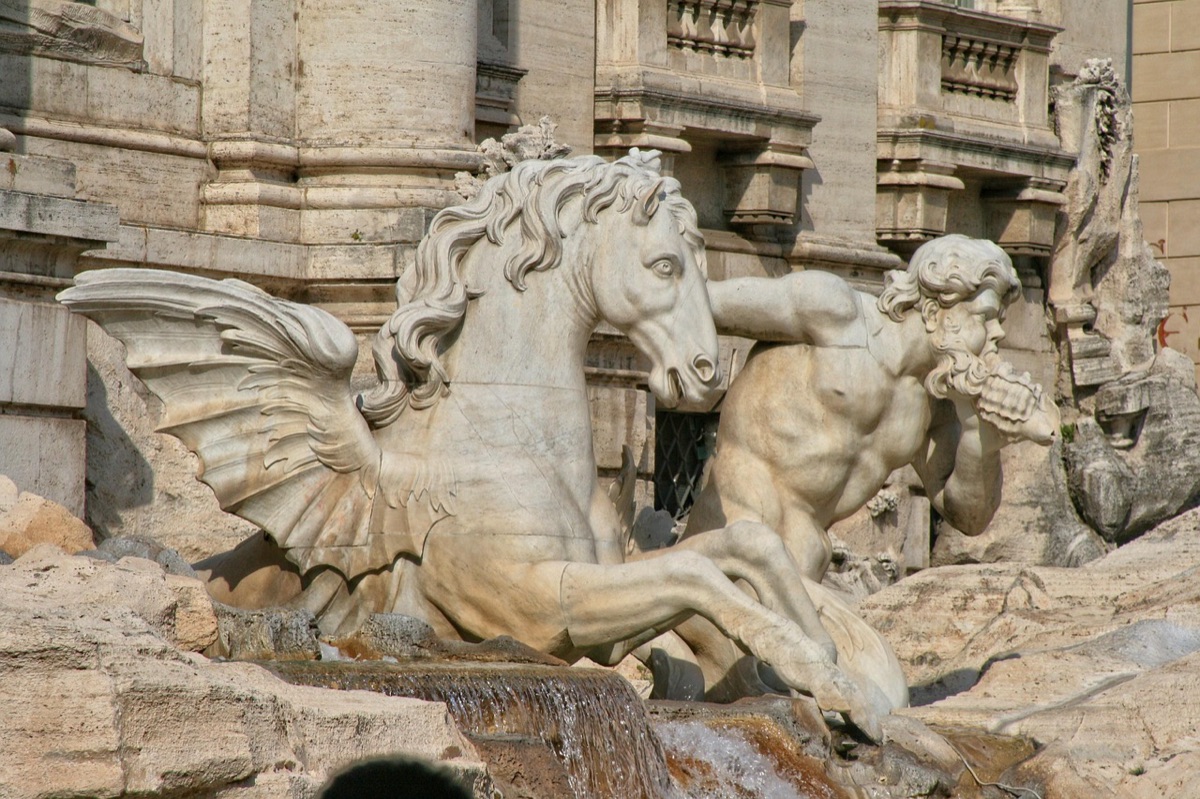
Practicalities: What to Know Before You Go
A hand reaches into a pocket to check a wallet while a group of teenagers laughs loudly near the water. The stone is cool to the touch, and the sound of the water is constant, a rhythmic backdrop to the city's movement.
While the fountain is always open and accessible, the surrounding environment changes drastically based on the time of day. Here are the essential logistics to keep in mind:
| Feature | Morning Visit (Pre-8 AM) | Mid-Day Visit (11 AM - 4 PM) | Night Visit (Post-10 PM) |
|---|---|---|---|
| Crowd Level | Very Low | Extremely High | Moderate |
| Photo Quality | Natural, soft light | Harsh, direct light | Dramatic, artificial light |
| Atmuration | Quiet and contemplative | Chaotic and loud | Romantic and lively |
| Best For | Photography & Solitude | Quick snapshots | Nightlife & Ambience |
The tradition of tossing a coin into the fountain is a central part of the experience. Legend says it ensures a return to Rome. While it is a simple gesture, remember that the fountain is a masterpiece of Baroque art; treat the site with respect.
Regarding safety, the high density of people makes the area a prime spot for pickpockets. Keep your belongings secure, especially when you are distracted by the beauty of the water or trying to navigate a crowded sidewalk.
When I stood by the water during a busy Tuesday in 2025, I noticed how easily a backpack could be snagged in the shuffle of a passing group. Always stay aware of your surroundings, especially in the narrow streets surrounding the piazza.
Travel Tips for the Trevi Fountain
To ensure your visit is seamless, follow these specific steps:
- Set an alarm for 6:30 AM. This allows you to arrive at the piazza by 7:00 AM, giving you a solid hour of relative peace.
- Map your route in advance. Identify your next destination (like the Pantheon or a specific trattoria) so you can exit the plaza efficiently.
- Pack light. Avoid carrying large backpacks that make maneuvering through crowds difficult and make you a target for theft.
- Use the "Periphery Strategy." If the front of the fountain is too crowded, walk to the corners of the piazza to find better sightlines.
- Hydrate using a Nasoni. Instead of buying expensive bottled water, look for the local "nasone" (public drinking fountains) to refill your bottle.
Please note that these tips are designed for those seeking a balance of beauty and efficiency. If you are traveling with elderly family members or small children, the "walk-through" approach may be physically taxing and require more frequent breaks.
Quick Tips for Success
Is there a specific time that is guaranteed quiet? The only way to guarantee a quiet experience is to arrive before 7:30 AM. Once the city fully wakes up, the "quiet" disappears.
Should I visit it alone or with a group? If you are in a large group, you must be disciplined. Group visits require strict time management to prevent the group from becoming part of the stationary crowd.
Is it worth visiting if I'm short on time? Yes, but do not linger. If you are short on time, treat it as a 15-minute visual stop rather than a sit-down destination.






Comments 0