Roman Forum: Tracing the Heart of Ancient Empire's Power
"Walking these stones is not just a stroll through ruins, but a step into the very machinery that once governed the known world."
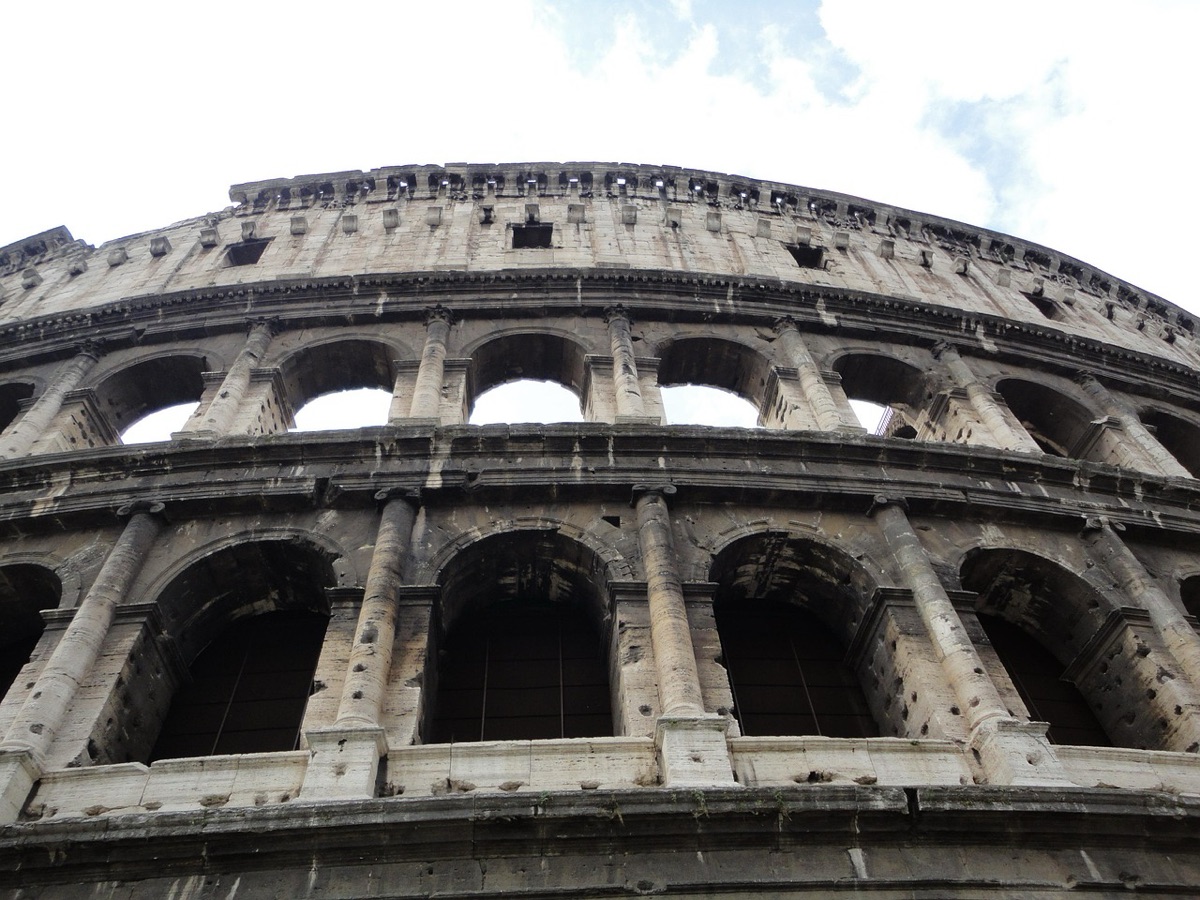
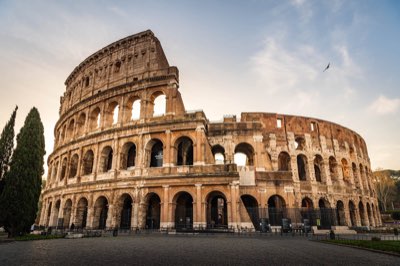
The Roman Forum stands as the skeletal remains of a civilization that shaped Western law, politics, and architecture. While the Colosseum captures the imagination with its scale, the Forum captures the soul of what it meant to be Roman.
* The Forum served as the indispensable civic, religious, and commercial epicenter of ancient Rome. * Navigating its layout requires understanding its evolution from a marshy valley to a monumental political stage. * A deep dive into these ruins provides the essential context needed to understand the Colosseum’s role in Roman society.

What was the heart of ancient Rome? At dawn, the heat of the rising sun radiates from the cracked basalt stones beneath your feet as you stand amidst the towering, broken columns.
The sun hits the uneven basalt stones of the Via Sacra at 9:15 AM, casting long shadows across the broken columns of temples that once dominated the skyline. You stand in a valley that was once the most crowded, noisy, and influential square mile on earth.
According to the World Bank, Italy recorded international tourist arrivals of 38,419,000 in 2020.
In its prime, this valley was the pulse of an empire. It wasn't just a collection of temples; it was where laws were debated, where triumphs were celebrated, and where the fate of nations was decided. Historically, the city's layout was much more expansive than the preserved ruins we see today.
While the modern historical center (centro storico) is quite small, occupying only around 4% of the city's total area, the ancient city was a sprawling metropolis that stretched far beyond these immediate ruins.
The transition of this space from the Roman Republic to the Imperial era saw it grow from a local marketplace into a monumental theater of power. It was the transition from a community-driven city to a global capital. But how did a simple valley become the center of the world?
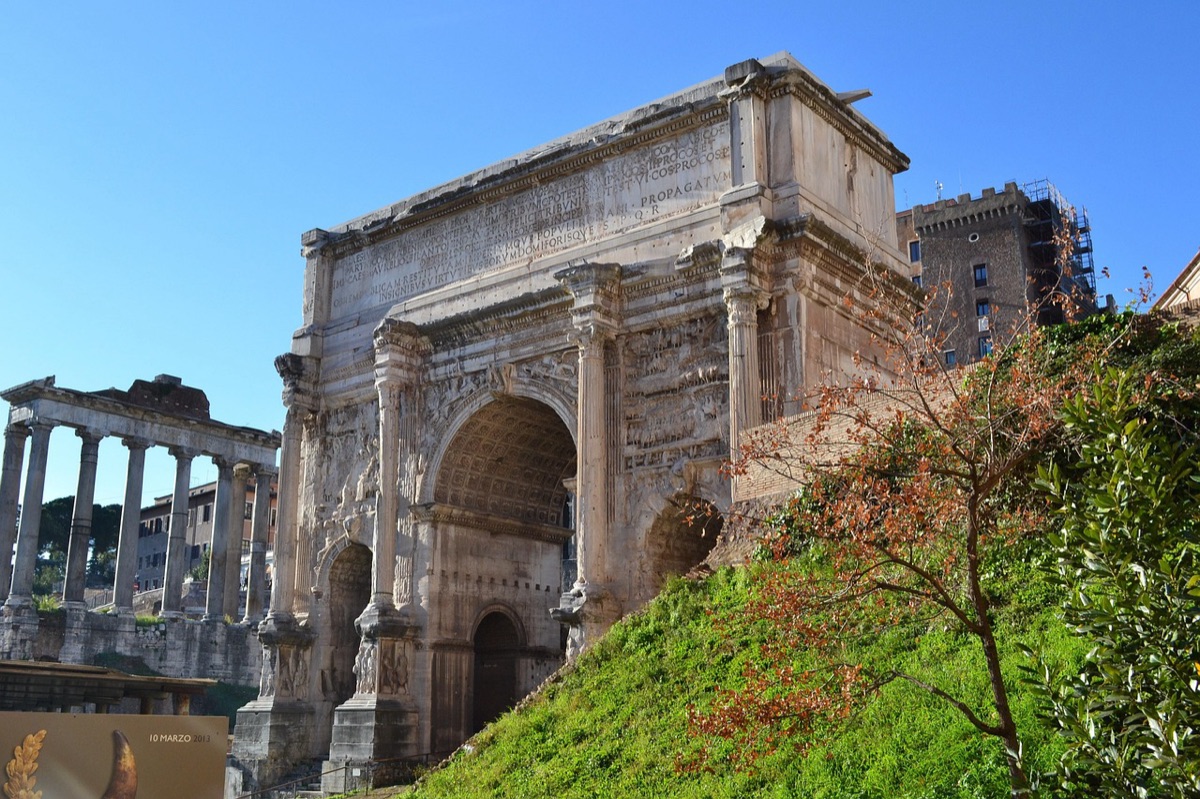
What was it like to walk in an emperor's footsteps? You grip a weathered handrail on the edge of the Palatine Hill, looking down toward the winding path of the Via Sacra. Below, the white marble of the Temple of Saturn and the massive arches of Septimius Severus stand as silent witnesses to centuries of political upheaval.
To understand the Forum, you must follow the path of power. The Via Sacra, or "Sacred Way," was the main artery where victorious generals would lead their processions through the city. Along this road, you find the Rostra, the raised platform where orators addressed the Roman citizens.
This wasn't just a place for speeches; it was a stage for the theater of politics.
The structures here evolved chronologically. Early Republican structures were often simpler, but as emperors sought to cement their legacies, they built massive basilicas and temples that dwarfed their predecessors.
This constant layering of architecture created a complex map of history, where a new emperor's monument might stand right next to a sacred site established by a founding figure. But what was it actually like to live among these giants?
Experiencing Ancient Roman Life
The midday heat settles over the ruins at 1:00 PM, and for a moment, the silence of the archaeological park makes it hard to imagine the chaos that once lived here. You can almost hear the phantom sounds of shouting lawyers, arguing merchants, and the rhythmic clatter of chariot wheels on stone.
Beyond the grand monuments, the Forum was a place of intense daily activity. It was where commerce met law. While the temples provided religious legitimacy, the basilicas served as courthouses and business hubs.
A Roman citizen didn't just come here to worship; they came to settle a debt, to hear a new law announced, or to participate in the social fabric of the city.
This duality—the monumental and the mundane—is what makes the Forum unique. It was a place where the divine met the practical. The lifecycle of a Roman citizen often involved these stones, from religious rites to the legalities of adulthood and commerce.
However, navigating this history requires a plan.
Practical Guide for Modern Visitors
You check your watch, realizing that the midday sun is reaching its peak at 12:30 PM, and the crowds are beginning to swell near the Arch of Titus. You decide to adjust your pace, looking for a quieter corner to sit and absorb the atmosphere.
To maximize your visit, timing is everything. To avoid the heavy crowds that often clog the narrow paths, aim to enter the site as soon as it opens at 9:00 AM.
If you prefer a different atmosphere, late afternoon light at 4:30 PM provides a golden hue that makes the ruins look particularly cinematic, though you must contend with more tour groups.
When planning your itinerary, remember that the Forum is best visited in conjunction with the Palatine Hill and the Colosseum. Because they share a single entry ticket, you should dedicate at least 5 hours to this area alone.
If you try to rush through, you will miss the subtle connections between the sites.
| Visit Type | Focus | Recommended Duration |
|---|---|---|
| The Quick Glance | Major landmarks and main paths | 1.5 - 2 Hours |
| The Deep Dive | Detailed exploration of all temples and hills | 4 - 5 Hours |
| The Full Immersion | Combined with Palatine Hill and Colosseum | 7 - 8 Hours |
- Start at the Palatine Hill: Get a bird's-eye view of the Forum first to understand the layout.
- Descend to the Via Sacra: Walk the main path to see the primary monuments.
- Visit the individual temples: Look for specific structures like the Temple of Antoninus and Faustina.
- End at the Colosseum: Use the momentum of the walk to transition to the nearby amphitheater.
When I first walked the Via Sacra, I was struck by how the scale of the stones felt heavy under my feet, a physical reminder of the weight of history. But the beauty of the ruins masks a constant struggle.
Preserving the Echoes
You run a hand near a fragment of a fallen column, feeling the grit of centuries-old stone. It is a humbling realization that these massive structures, which once felt eternal, are now subject to the slow, relentless erosion of time and weather.
According to Wikipedia, 50% of the tourists who visit the UNESCO heritage sites in Italy are foreigners.
The preservation of the Forum is a constant battle between archaeology and nature. While much of the original marble was stripped away in later centuries to build new structures, the remaining stone tells a story of resilience.
The fragments that survive today are a testament to the engineering genius of the Romans, but they also highlight the fragility of human achievement.
Modern archaeological efforts work to stabilize these ruins, ensuring that the "breath" of ancient Rome can still be felt by future generations. The tension between preserving the site and allowing visitors to experience it is a delicate balance maintained by Italian authorities.
#




Comments 0