Why should you prioritize the Colosseum and Vatican Museums?
"The history of the world seems to reside within these stone walls, waiting for a traveler to step into the past."
This guide focuses on balancing the massive crowds of historic landmarks with efficient movement, providing a strategic plan for those with limited time.
How can you plan a Rome 2 day itinerary?
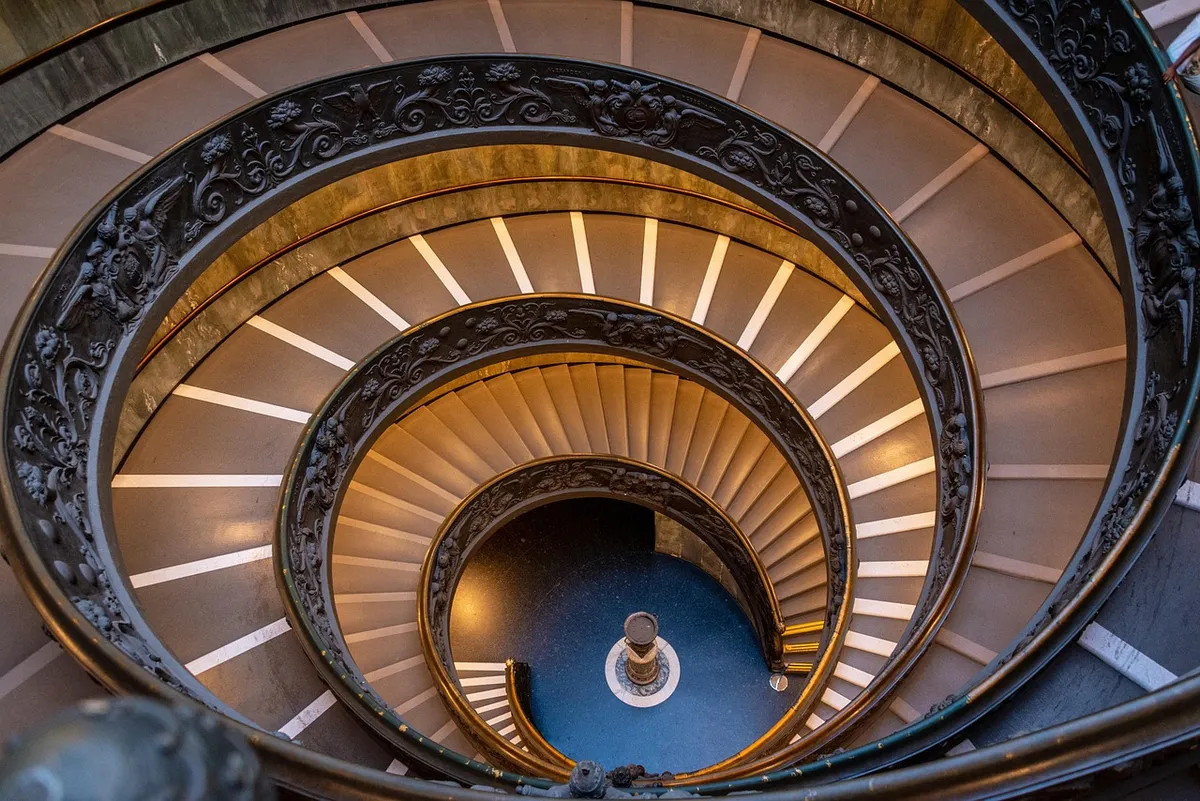
Walking through the sun-drenched streets of the historic center, a traveler realizes that timing is everything when visiting such dense landmarks. A successful Rome 2 day itinerary requires splitting the city into distinct geographical zones to avoid spending the entire trip in transit.
The second day should shift toward the Vatican and the surrounding religious sites to experience a different era of influence.
This separation ensures that you do not exhaust yourself by jumping between vastly different atmospheres too quickly.
Planning a Colosseum Vatican trip requires pre-booking tickets to avoid standing in lines for hours. By securing timed entry, you can move through the crowds more effectively. It is also helpful to group sites by proximity, such as keeping the Roman Forum and the Colosseum on the same day.
Why should you prioritize the Colosseum and Vatican Museums?
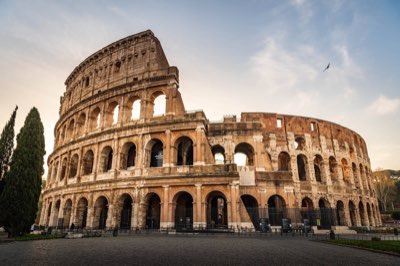
Standing before the massive stone arches of an ancient amphitheater, the sheer scale of human history becomes overwhelming. Choosing these two sites is essential because they represent the pillars of Roman civilization and religious history.
According to a recent study, the Colosseum (4 million tourists) and the Vatican Museums (4.2 million tourists) are the 39th and 37th most visited places in the world, respectively. These figures highlight why managing expectations regarding crowds is vital for any Rome tour 2 days.
| Landmark | Global Visitor Rank |
|---|---|
| Vatican Museums | 37th |
| Colosseum | 39th |
I noticed that even with the massive scale of these sites, the crowds move in a constant, rhythmic flow. A smart Rome sightseeing plan accounts for this density by starting early in the morning.
How can I see Rome in just two days? Walking through the cobblestone alleys, a visitor might feel lost among the endless sights, but a structured approach simplifies the experience. To optimize your time, you should follow a logical progression from the ancient ruins to the Vatican.
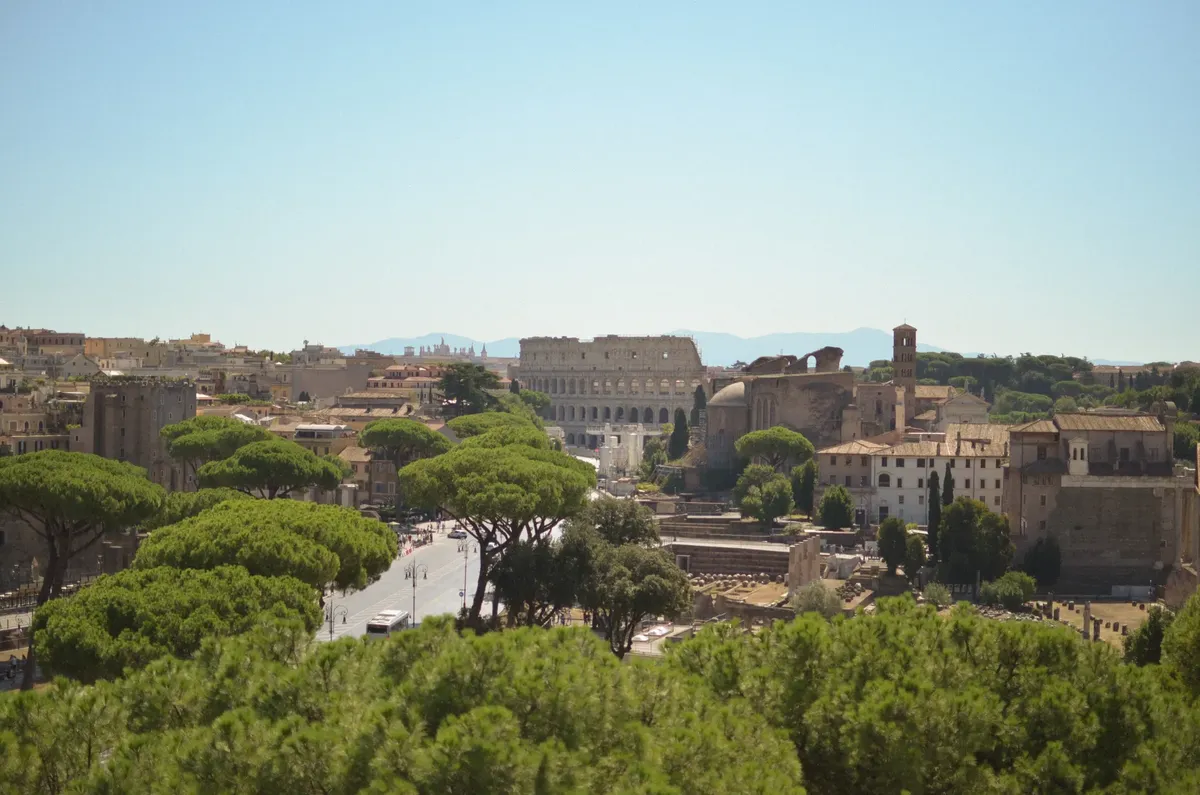
- Secure timed entry tickets for the Colosseum and Vatican Museums well in advance to prevent being turned away at the gate. 2. Use the first day to explore the central archaeological sites and the second day to explore the Vatican City area. holders
- Walk between major landmarks within the same district to maximize your sightseeing time and minimize transit delays.
A final check of your itinerary should ensure that you have accounted for walking distances and meal breaks. This prevents the exhaustion that often ruins a short trip.
How do you manage time in Rome?
Navigating the busy streets near the Pantheon, a traveler must decide between seeing everything or seeing the best. Managing time in Rome effectively means choosing quality over quantity when the schedule is tight.
The most efficient way to handle a short trip is to utilize the city's walkable layout. While some may wish to see every church and museum, focusing on the primary landmarks ensures you actually experience the atmosphere rather than just rushing through.
If you find yourself with extra time, you might look into modern architecture projects in the EUR district to see a different side of the city. However, for a strict two-day window, staying within the historic center is the most practical choice.
What am I going to miss on such a short trip? Looking at a map of the sprawling city, it becomes clear that much of the beauty remains untouched by a quick visit. A short itinerary means you must accept that you cannot see everything. According to World Bank data, Italy recorded international tourist arrivals of 38,419,000 in 2020.
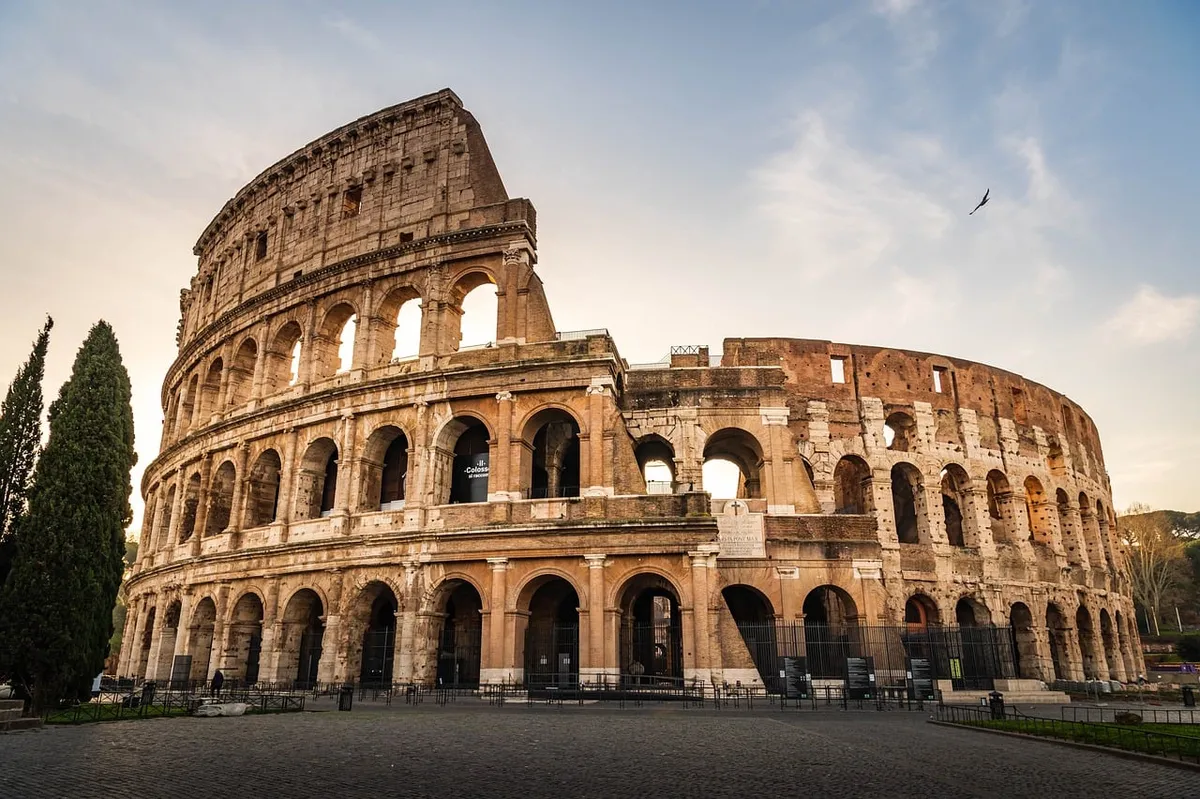
A major limitation of this plan is the physical demand of walking long distances between major sites. Because the Colosseum and Vatican Museums are so massive, you will spend a significant amount of time on your feet.
- A Rome 2 day itinerary allows travelers to witness the grandeur of ancient ruins and the spiritual depth of the Vatican in a condensed timeframe.
- You will learn how to manage high-traffic sites, compare the scale of major landmarks, and navigate the city's most famous districts.
- The first day should focus on the ancient heart of the city to witness the Roman Empire's legacy.
Related
- Rome Pass 48 vs 72 hour guide: Planning your best trip
- Colosseum ticket war tips: How to see the best view
What cautions should you keep in mind?
- The sheer volume of visitors at the Colosseum and Vatican Museums requires starting your visits early to move through the crowds efficiently. 2. Since the history of the world is vast, a short trip necessitates accepting that you cannot witness every detail of the ancient ruins or religious sites. 3. Grouping sites geographically is a procedural step to minimize wasted transit time between major attractions.
When is the best time to visit?
The timing of your arrival influences how well you can manage the density of the sights. A successful visit hinges on the traveler's ability to commit to a focused daily theme, contrasting the ancient Roman Empire with the later religious influences of the Vatican.
This division prevents feeling overwhelmed by the breadth of the history of the world in a short span.
How does the scale of the sites affect the visit?
The immense size of the Colosseum and the Vatican Museums necessitates a strategic approach to touring. The sheer volume of history contained within these structures demands that visitors manage their expectations regarding seeing every detail.
A short trip requires accepting that a comprehensive view of the entire history cannot be achieved in a limited timeframe.
The comparison between the two sites underscores their combined importance to understanding the history of the world. While both are colossal, approaching them with a focused theme for each day optimizes the experience.
This intentional division helps prevent the feeling of being overwhelmed by the vastness of the Roman legacy.
What are the practical considerations for a successful journey?
Success in this condensed journey relies heavily on logistical planning rather than simply showing up. The physical act of moving between sites requires forethought regarding walking distances and the emotional weight of the history encountered.
A successful journey balances the desire to see everything with the reality of the limited time available.
The decision to group sites by proximity is a practical measure against wasting precious transit time. Furthermore, the initial commitment to pre-booking tickets is a procedural safeguard against frustrating delays at the entrance gates.
This upfront action directly impacts the flow of the entire visit.
If the traveler approaches the trip with this structure in mind, the visit becomes a focused immersion rather than a race against the clock against the immensity of the history. This mindset shift is crucial for extracting the most from the limited window provided.


Comments 0