Why locals love Tivoli: Why locals love Tivoli
"The charm of a destination often lies in the quiet moments between the landmarks, where the pulse of local life meets the weight of history."
Understanding why locals love Tivoli requires looking at the balance of historical depth and accessible beauty. This guide explores the unique atmosphere of the area, provides practical travel tips for navigating nearby Rome, and highlights the cultural significance of such destinations.
Key takeaways include the importance of using specialized passes for efficiency, understanding regional scale, and recognizing the historical context that shapes local identity.
Why locals love Tivoli?

At sunset, I lean against the cool stone wall and watch how the locals gather in the golden light.
A traveler stands at a stone balcony, looking out over a landscape where ancient architecture meets lush greenery. Finding the reason why locals love Tivoli often begins with appreciating the seamless blend of historical heritage and natural beauty.
While the specific local sentiment is often tied to the unique atmosphere, understanding the broader context of Italian travel can help. For instance, according to World Bank data, Italy recorded international tourist arrivals of 38,419,000 in 2020.
This massive influx of visitors highlights how much the country's heritage draws people from around the world.
The enduring appeal of such historic areas often stems from a sense of permanence in a changing world. Visitors often seek these locations to escape the rush of modern life. Finding these hidden gems requires a willingness to explore beyond the most crowded streets.
However, the popularity of these sites means they can become quite crowded during peak holiday seasons.
How can I travel like a local in Tivoli?
At dawn, I walk through the narrow alleyway to observe how the locals move through the quiet streets. Walking through a sun-drenched plaza, a visitor checks a map to navigate the winding streets. Implementing effective Tivoli local travel tips can turn a hectic trip into a seamless journey.
To make the most of a visit to the region, consider these practical steps:
- Plan your arrival for the early morning to avoid the peak heat and crowds. 2. Utilize regional transport or car rentals to reach outlying historical sites easily. 3. Carry water and sun protection to manage the outdoor climate comfortably.
A final check of your itinerary ensures you have balanced sightseeing with rest. I found that checking the weather beforehand helped me decide which walking paths to prioritize.
However, these tips may not apply to travelers on a very tight budget or those with limited mobility.
What are the absolute best things to do in Tivoli? A group of friends gathers around a small table, discussing their next move in the heart of the city. A successful best of Tivoli guide relies on understanding the relationship between major landmarks and the surrounding environment.
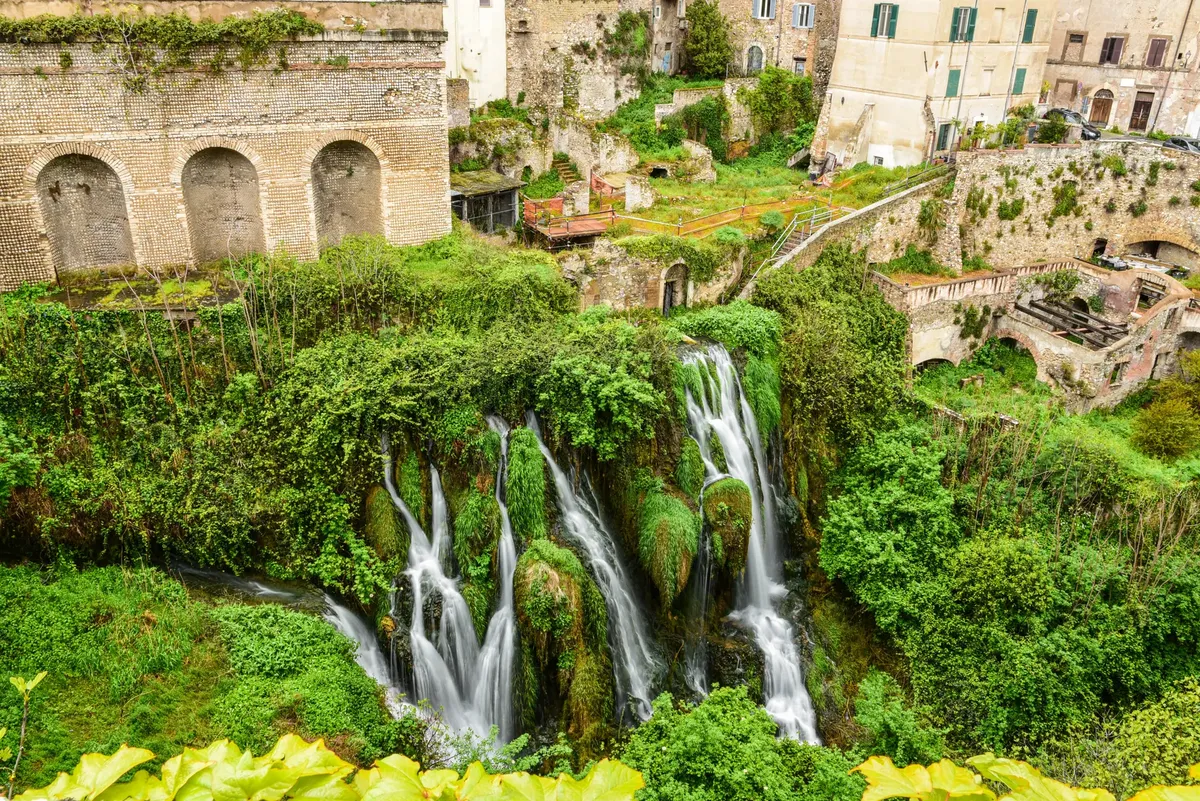
Historical sites often serve as the centerpiece of any visit. These locations provide a tangible connection to the past that modern cities often lack. Exploring these areas allows for a deeper understanding of regional development and cultural shifts.
The scale of these historical regions can be vast. For comparison, the city of Washington, D.C. has 683 parks and greenspaces, comprising 7,464 acres (30.21 km2), about 20% of its land area. Understanding how much space is dedicated to public greenery can help travelers plan for outdoor activities.
- Select the major landmarks you wish to visit based on your interests.
- Plan your route to minimize travel time between sites.
- Allocate enough time for each location to avoid rushing through the experience.
Tivoli hidden gems
A quiet garden path offers a momentary reprieve from the sounds of the bustling street. Seeking out Tivoli hidden gems allows travelers to experience the more intimate side of the region.
While famous landmarks are essential, the smaller, less crowded spots often provide the most memorable experiences. These locations frequently offer a more authentic look at local life. Getting off the beaten path is a great way to find peace.
Sometimes, the most significant parts of a journey are the ones not found in a standard guidebook. Traveling like a local often means finding these quiet corners.
However, these lesser-known spots may have limited amenities or accessibility compared to major tourist sites.
Visiting Tivoli like a local
A local resident sits on a bench, watching the world go by with a sense of ease. Visiting Tivoli like a local involves adopting a slower pace and engaging with the local rhythm.
One way to manage a larger itinerary in Italy is by using efficient transit options.
For example, there is also a pass called OMNIA Vatican and Rome that includes the services provided by Roma Pass, free entry to Vatican Museums and Sistine Chapel, fast track entry to St Peter's Basilica and a hop-on-hop-off bus tour for 3 days.
Using such tools can help manage the logistics of a broader Italian tour.
Efficiency in transit helps maximize time spent at actual sites. This approach allows for more spontaneous exploration.
However, following local customs may require more flexibility than a standard tourist itinerary allows.
Tivoli charm and history
A historian brushes dust off an old map, tracing the lines of a city's growth. The relationship between Tivoli charm and history is deeply intertwined with the evolution of the surrounding regions.

Historical growth often shapes the character of a place. For instance, by 1870, the district's population had grown 75% in a decade to nearly 132,000 people, yet the city still lacked paved roads and basic sanitation.
Such historical context helps explain the layout and atmosphere of many older cities.
Understanding these shifts provides a clearer picture of how a place became what it is today. It adds a layer of meaning to every stone and street.
However, the historical atmosphere may feel less engaging to those looking for modern entertainment.
This part also covers Tivoli day trip from Rome.
This part also covers Why visit Tivoli from Rome.
Related
Navigating the Destination's Pulse?
To truly grasp the charm of a destination, one must observe the interplay between the monumental sites and the daily occurrences of the community. This balance is what gives the place its enduring quality. The pulse of local life offers a living timeline against the backdrop of ancient structures.
Understanding this dynamic relationship enriches the entire journey, moving it beyond mere sightseeing into cultural immersion. The weight of history becomes palpable when viewed alongside contemporary activity.
This dual perspective is crucial for appreciating the full scope of the location's identity. It transforms travel from observation into participation.





Comments 0