Rome Pilgrimage: 100 Sites Matter Among 900 Sacred Spaces
"Don't drown in devotion; unlock the spiritual heart of Rome by focusing on the 100 essential pilgrimage sites."
Navigating the streets of the Eternal City often feels like walking through a living museum where every corner reveals a Baroque masterpiece or a quiet, candlelit sanctuary.
For the serious traveler, the sheer number of religious sites can be overwhelming, turning a spiritual journey into a logistical nightmare.
Key Takeaways * The sheer volume of religious sites requires strategic filtering to prevent burnout. * These 100 locations represent the most significant architectural, historical, or devotionally important structures. * Pilgrimage success relies on balancing breadth (900) with depth (100).
* Successful planning mitigates overcrowding while maximizing spiritual and historical yield.

Why 900 Churches Exist
The sun hits the cobblestones of the Via Veneto at 10:15 AM, casting long shadows that seem to bridge the gap between the modern world and the ancient past.
In 2010, the Pontifical Council for Pastoral Assistance to Health Care Workers noted that the church manages 26% of health care facilities in the world.
You stand at a crossroads, realizing that even if you visited one church every single day, it would take years to see the vast collection of sacred spaces scattered throughout the city.
The sheer number of churches in Rome is not an accident of geography but a result of centuries of layered devotion. From the early Christian basilicas built over Roman ruins to the grand Renaissance cathedrals, the city serves as a physical timeline of faith.
However, the practical reality of a modern visit means that attempting to see everything is a recipe for exhaustion rather than enlightenment.
While the city holds hundreds of active parishes, the historical weight of these buildings is not distributed equally. Some serve local neighborhoods, while others stand as monumental pillars of global history.
Trying to treat every small chapel with the same weight as a major basilica leads to "museum fatigue," where the beauty of one site begins to blur into the next.
Understanding this scale is the first step in moving from a casual tourist to a purposeful pilgrim. You must recognize that the vastness of the collection is both a blessing and a challenge that requires a strategy.
But how do you decide which doors are worth opening?
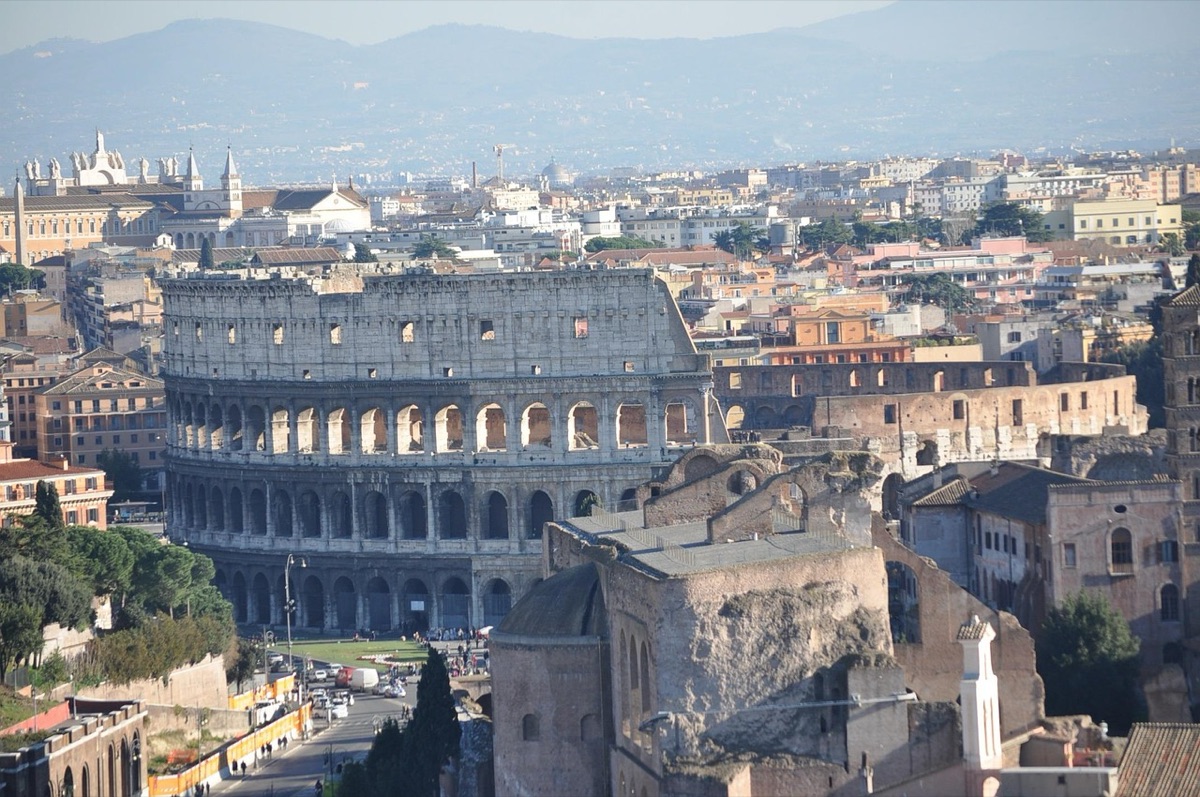
What makes a pilgrimage site essential? A quiet morning in the Trastevere district reveals a small, unassuming door tucked between a modern cafe and a flower shop. You pause, wondering if this tiny sanctuary is worth the ten-minute walk or if it is merely a local neighborhood chapel.
To turn a list of 900 names into a meaningful itinerary of 100, you need a selection matrix. An "essential" site is not defined merely by its size, but by its unique contribution to the human story.
When curating a list, we look for three specific pillars: architectural singularity, historical documentation, and devotional importance.
Architectural singularity refers to buildings that changed the course of design, such as those that introduced the dome or the specific use of Bernini-style Baroque.
Historical documentation looks for sites where major treaties were signed, saints were martyred, or significant papal decrees were issued. Devotional importance covers the sites that remain active centers of profound spiritual practice, drawing pilgrims from across the globe.
A minor chapel may be beautiful, but an essential site possesses a gravity that pulls you in. By focusing on these high-impact locations, you ensure that every stop on your journey provides a distinct and profound experience.
However, knowing what is essential is only half the battle; the real challenge is the logistics of the journey itself.
How do I structure my 100-stop itinerary? You sit at a small wooden table in a Roman cafe at 2:30 PM, a map spread out before you, marking locations with colored pens. You realize that if you simply follow the most famous streets, you will spend more time in crowds than in contemplation.
A successful pilgrimage is not a random collection of stops; it is a carefully sequenced journey. Grouping the 100 essential sites geographically or thematically is the only way to maintain momentum.
For example, grouping the great basilicas of the Aurelian Walls allows you to explore the outskirts, while a thematic grouping—such as the Baroque Masters—allows you to see the evolution of style through a specific lens.
| Strategy | Method | Primary Benefit |
|---|---|---|
| Geographic Grouping | Grouping sites by neighborhood (e.g., Monti, Prati, Centro Storico) | Minimizes transit time and physical fatigue. |
| Thematic Grouping | Grouping by era (Early Christian, Renaissance, Baroque) | Provides a clear historical narrative. |
| Devotional Grouping | Grouping by specific saints or religious orders | Deepens the spiritual focus of the visit. |
A general sightseeing tour often jumps from a museum to a park to a shopping district, but a pilgrimage requires a different rhythm. By sequencing your visits, you can balance the high-energy, crowded sites with quieter, contemplative stops.
This prevents the burnout that occurs when you move too quickly between massive monuments.
But what happens when the sacred meets the street?
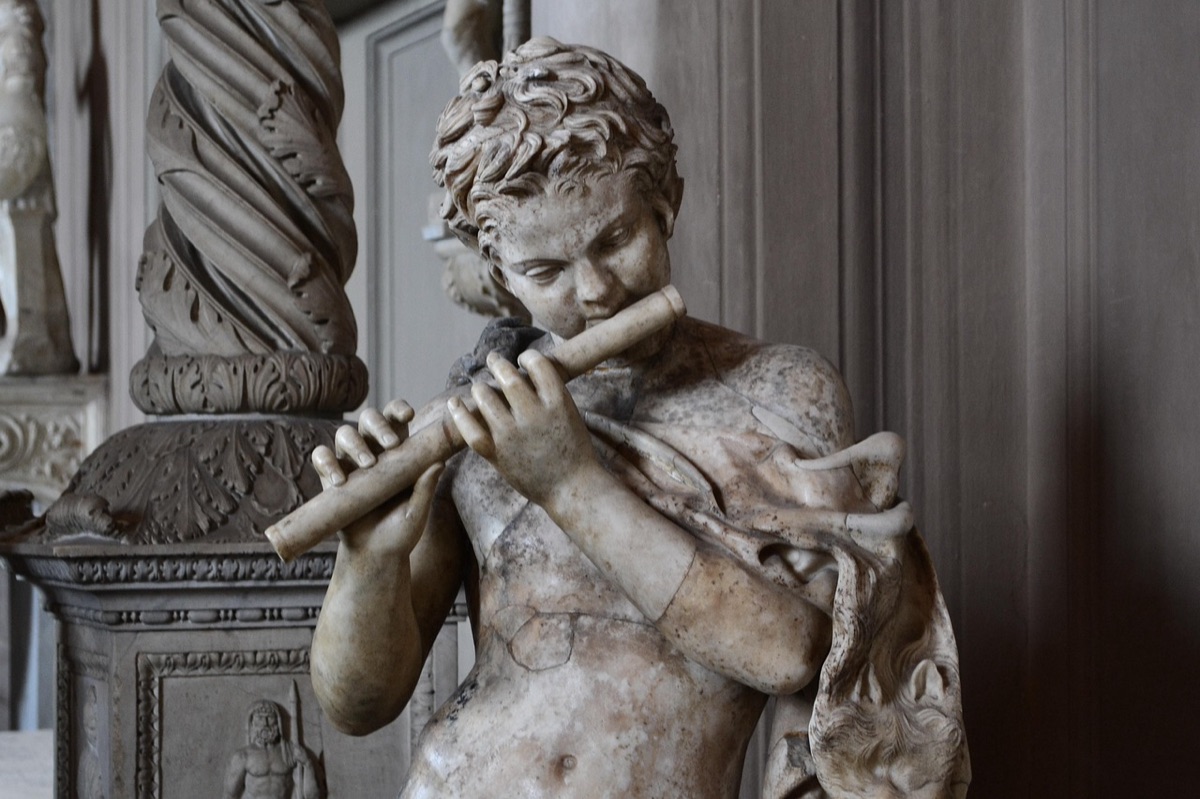
Beyond the 100: Integrating Pilgrimage with Roman Life
Walking through the Piazza Navona at noon, the sound of fountains and the chatter of crowds create a vibrant wall of noise. You look up at the church facade and realize that the sacred and the secular are not separate worlds here, but intertwined.
According to World Bank data, Italy recorded international tourist arrivals of 38,419,000 in 2020.
The essential sites do not exist in a vacuum; they are part of the living fabric of Rome. The historical center, or *centro storico*, is quite small, making up only around 4% of the city's total area.
This concentration means that your most significant stops will often be clustered within walking distance of one another, allowing for an immersive experience that blends the spiritual with the daily life of the city.
For many travelers, the interest in these sites is driven by a desire for cultural immersion. According to Wikipedia, 50% of the tourists who visit the UNESCO heritage sites in Italy are foreigners, and of these, 75% are in Italy for a cultural holiday.
This means that while you are on a pilgrimage, you are also participating in a massive global exchange of culture.
Integrating your itinerary with the city's layout allows you to step out of a magnificent cathedral and immediately find a local *trattoria* or a quiet corner for an *aperitivo*.
This balance ensures that your journey remains grounded in the reality of Roman life, preventing the pilgrimage from becoming an isolated, academic exercise.
But before you step inside, you must know the rules of the house.
Maximizing Your Visit: Pilgrim Etiquette & Preparation
You stand before the heavy bronze doors of a major basilica at 9:00 AM, checking your shoulders to ensure your clothing meets the requirements. You take a deep breath, preparing to transition from the heat of the Roman street to the cool, hushed atmosphere of the sanctuary.
Preparing for a dedicated pilgrimage is different from preparing for a standard vacation. High-traffic religious sites require respect for both the architecture and the active worshippers.
This means adhering to dress codes—covering shoulders and knees—and understanding that certain areas may be restricted during liturgical services.
The pace of a dedicated pilgrim is often slower than that of a casual tourist. While a tourist might rush through a church to check it off a list, a pilgrim understands that the value lies in the time spent in quiet observation.
- Research Opening Hours: Many churches close for a midday break (siesta) between 12:30 PM and 4:00 PM.
- Plan for Dress Codes: Always carry a light scarf to cover shoulders if wearing sleeveless tops.
- Check Liturgical Calendars: Avoid visiting major shrines during mass if your goal is quiet contemplation.
- on
- Prepare for Walking: Roman streets are uneven; high-quality walking shoes are a necessity for long days of exploration.
- Carry Small Change: Many sites require small fees for specific museum access or for lighting votive candles.
A successful visit requires both physical preparation and mental readiness. By understanding the etiquette and the logistical nuances of Rome, you can focus your energy on the profound historical and spiritual weight of the sites you have chosen.
#





Comments 0