Tivoli culture deep dive: Local love of Tivoli nights
"The evening air carries a different weight when the sun dips below the horizon, transforming familiar streets into something entirely new."
Understanding the local love of Tivoli nights requires a shift in perspective from sun-drenched sightseeing to the subtle charm of twilight. For those seeking to grasp why the atmosphere changes so drastically, this guide explores the sensory shifts and cultural rhythms that define the evening.
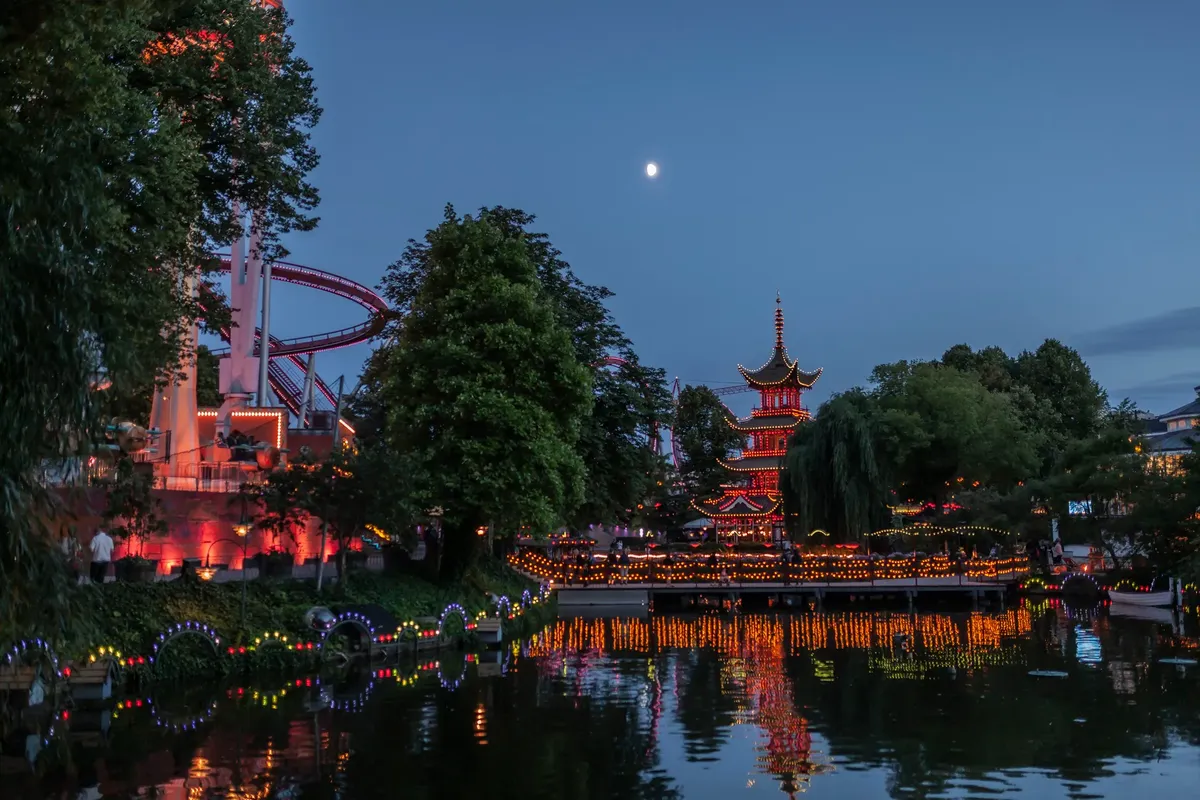
You will learn about the transition from daytime crowds to evening tranquility, the importance of local atmosphere, and how to navigate the shift in energy.
Why do visitors seek the local love of Tivoli nights?
As the sun dips below the horizon, a traveler brushes their hand against warm stone walls to feel the quiet magic of a tivoli night.
A traveler walks through a quiet courtyard as the streetlamps flicker to life, casting long shadows against ancient stone. This transition from the bright heat of the afternoon to the cool, ambient glow of evening is a primary reason for seeking this specific atmosphere.
The shift in energy provides a reprieve from the intense daytime activities often found in major Italian hubs. While daytime might be spent navigating crowded districts, the evening offers a more intimate engagement with the surroundings.
This period allows for a slower pace, making it easier to appreciate architectural details that are often overlooked during the rush of midday.
The transition from day to night reveals a more intimate side of the town that remains hidden during the busy daylight hours.
How does a Tivoli evening guide change your perspective?
The sun sets behind a villa, and the sounds of the bustling day fade into the low hum of conversation from a nearby terrace. A Tivoli evening guide focuses on the transition from active exploration to reflective relaxation.
Daytime tourism often focuses on hitting major landmarks, but the evening invites a different kind of engagement. Instead of rushing between sites, the focus shifts to the ambiance of the setting.

This change in pace helps visitors connect with the local rhythm, moving from the role of a spectator to a participant in the evening's quietude.
Shifting from a sightseeing mindset to a local rhythm allows you to see the architecture and atmosphere in a completely new light.
What defines the Tivoli night local view?
A group of friends gathers around a small table, the clinking of glasses providing a rhythmic backdrop to the soft evening breeze. A Tivoli night local view is often defined by this sense of community and the shared experience of the twilight hours.
Locals often view the evening as a time for social reconnection rather than just sightseeing. This perspective turns a simple walk through the streets into a meaningful ritual.
Understanding this helps visitors appreciate that the beauty of the night is not just in the sights, but in the social fabric that becomes more visible once the sun goes down.
It is defined by the soft glow of streetlamps on ancient stone and the quiet hum of evening social life.
Can you find a local train Tivoli vibe during the evening?
The rhythmic clatter of the tracks echoes through the quiet evening air as a train pulls into a sleepy station. Finding a local train Tivoli vibe involves understanding how transportation and movement shape the feeling of a place.
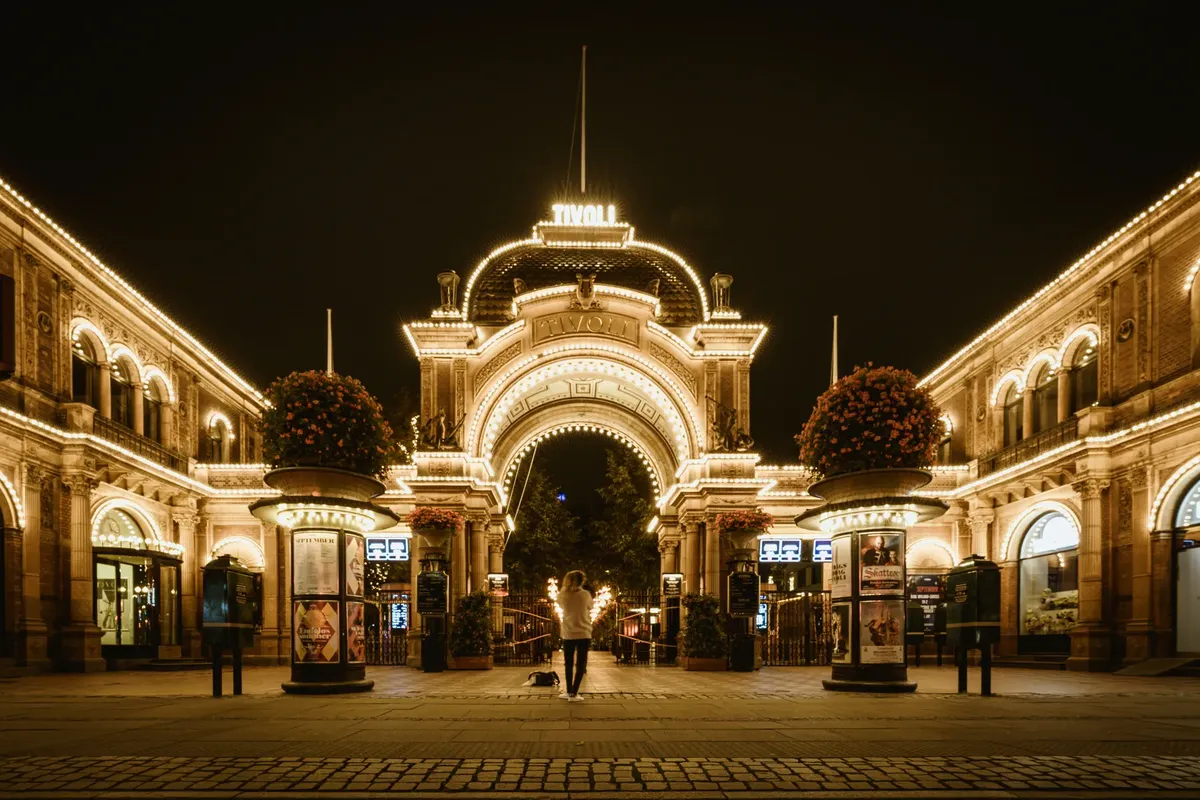
Traveling between locations during the twilight hours offers a unique window into the region's geography. The movement of people returning from work or heading out for dinner creates a sense of living history.
This movement is part of the authentic experience that defines the transition from day to night.
The rhythmic arrival of evening trains brings a sense of connection to the surrounding countryside, blending transit with local charm.
How to navigate the Tivoli culture deep dive after dark?
A traveler sits on a stone bench, observing the way the moonlight hits a crumbling wall, realizing that the history feels closer in the dark. To execute a Tivoli culture deep dive, follow these steps:
- Transition from major landmarks to smaller, secondary streets to experience the authentic atmosphere. 2. Observe the local social habits, such as the timing of meals and the way public spaces are used. 3. Use the quiet hours to focus on sensory details like lighting, temperature, and ambient sound.
Always check the local weather and closing times of smaller venues to ensure a smooth transition into the evening.
- Observe the local dining customs in small piazzas.
- Wander through the illuminated historic alleys.
- Engage with the quiet atmosphere of local landmarks.
What are the limitations of an evening exploration?
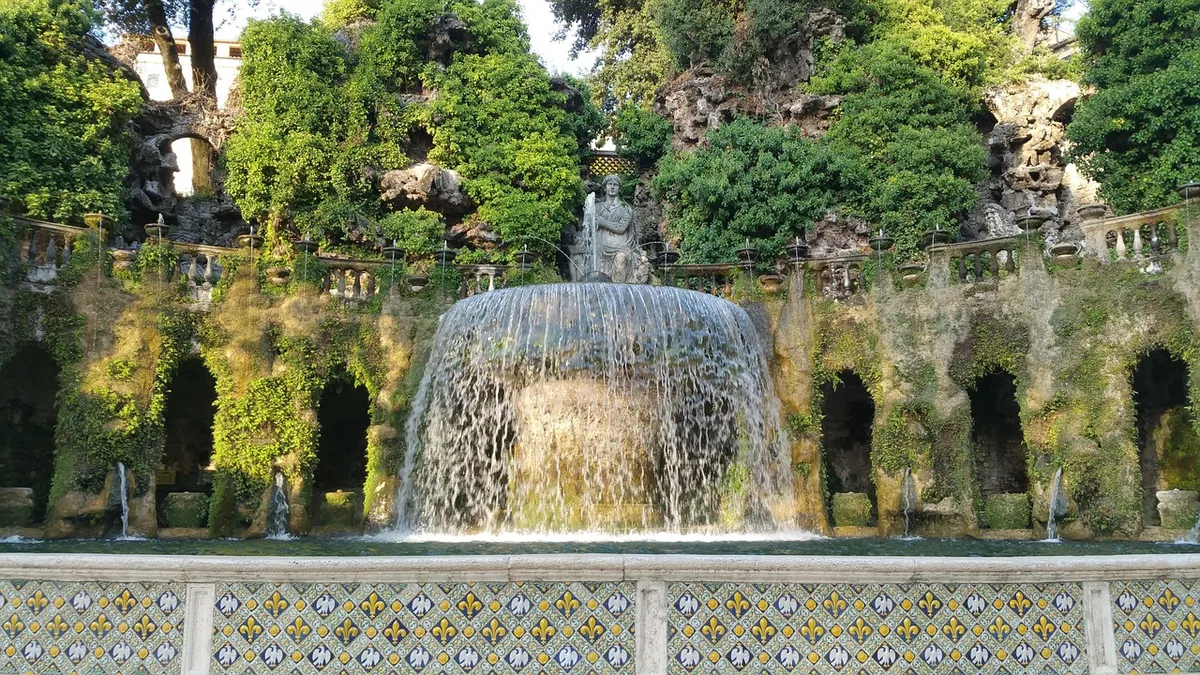
A sudden rain shower forces a quick retreat into a doorway, reminding travelers that the evening is subject to the whims of nature. A limitation of this type of exploration is that certain historical sites or specific outdoor features may not be visible or accessible in low-light conditions.
The evening atmosphere is heavily dependent on visibility and weather. While the lack of light can enhance the mood, it can also obscure the very architectural details one might wish to see.
In this sequence, the second step is the longest.
The subject here is Local love of Tivoli nights.
The same subject is also called Why locals love Tivoli.
This part also covers Local transit journey.
This part also covers Must see Tivoli spots.
Related
- Rome day trips guide: Nearby towns offer unique history
- Is Rome Pass worth it: Best way to move around Rome
How does the evening air carry a different weight?
The evening air carries a different weight because the visual cues of the day are replaced by the more nuanced tones of twilight. This shift moves the focus from grand scale to minute detail, allowing the observer to match the environment's slow cadence.
The cool temperature of the evening air contrasts with the heat absorbed during the sunlit hours, adding to the sensory experience.
This change in atmospheric pressure mirrors the shift in human activity. Daytime movement, driven by the need to see everything, gives way to the measured movements of the evening.
The soundscape also transforms; the sharp noises of the day recede, allowing the softer sounds of the evening to become prominent.
This unique quality of the evening air carries a different weight because it signals a collective slowing down. The hurried pace of the midday tour melts away, replaced by a shared, almost meditative quality shared by both visitor and local alike.
This quietude is a valued part of the regional character.
Wikipedia: Rome Based on the retained excerpt mentioning Rome Convention Center: It is one of Rome's most ambitious modern architecture projects alongside Renzo Piano's Auditorium Parco della Musica and Massimiliano Fuksas' Rome Convention Center, Centro Congressi Italia EUR, in the EUR district, due to open in 2016.



Comments 0