Pilgrimage Guide: Why 100 Churches Matter in Ancient Rome
"You cannot drink from a firehose, and you cannot absorb nine centuries of devotion in a single afternoon."
If you stand in the middle of a Roman piazza, looking at a map of the city's nearly 900 churches, the sheer numbers feel paralyzing. How do you decide which doors to knock on and which to simply walk past?
* Contextual Depth: These sites represent the transition from Ancient Roman structures to Renaissance masterpieces, providing a roadmap of human belief. * Practicality: A curated list prevents "pilgrimage burnout" and ensures you see the high-signal sites that define the Roman identity. * Strategic Focus: Focusing on a core group allows for deep engagement rather than a shallow, exhausted walkthrough of the entire city.

Why Does the Pilgrimage Scale Matter?
The sun hits the cobblestones of the Via Veneto at 10:00 AM, casting long shadows that seem to stretch back two millennia. You stand there, clutching a worn guidebook, feeling the weight of a city that has been built and rebuilt over layers of stone and spirit.
In 2010, the Pontifical Council for Pastoral Assistance to Health Care Workers noted that the church manages 26% of health care facilities in the world.
In 2010, the Pontifical Council for Pastoral Assistance to Health Care Workers noted that the church manages 26% of health care facilities in the world.
Rome is not just a city; it is a vertical timeline. The density of religious architecture is staggering, with nearly 900 churches scattered across its 1,285 square kilometer territory.
While the city center is about 24 km inland from the Tyrrhenian Sea, its spiritual reach extends through every district, from the monumental basilicas to the quiet, dim chapels tucked into narrow alleys.
A casual tourist might see a church as a stop between a pasta lunch and a museum visit. But for a pilgrim, the scale matters because each building is a vessel of history.
The 900 sites represent a continuum—an unbroken chain from the early Christian era through the Middle Ages and into the high Renaissance. If you try to treat all 900 as equal, you will end up seeing nothing deeply.
You need a filter to distinguish between a mere building and a site of profound historical or spiritual gravity. But how do you actually build that filter?
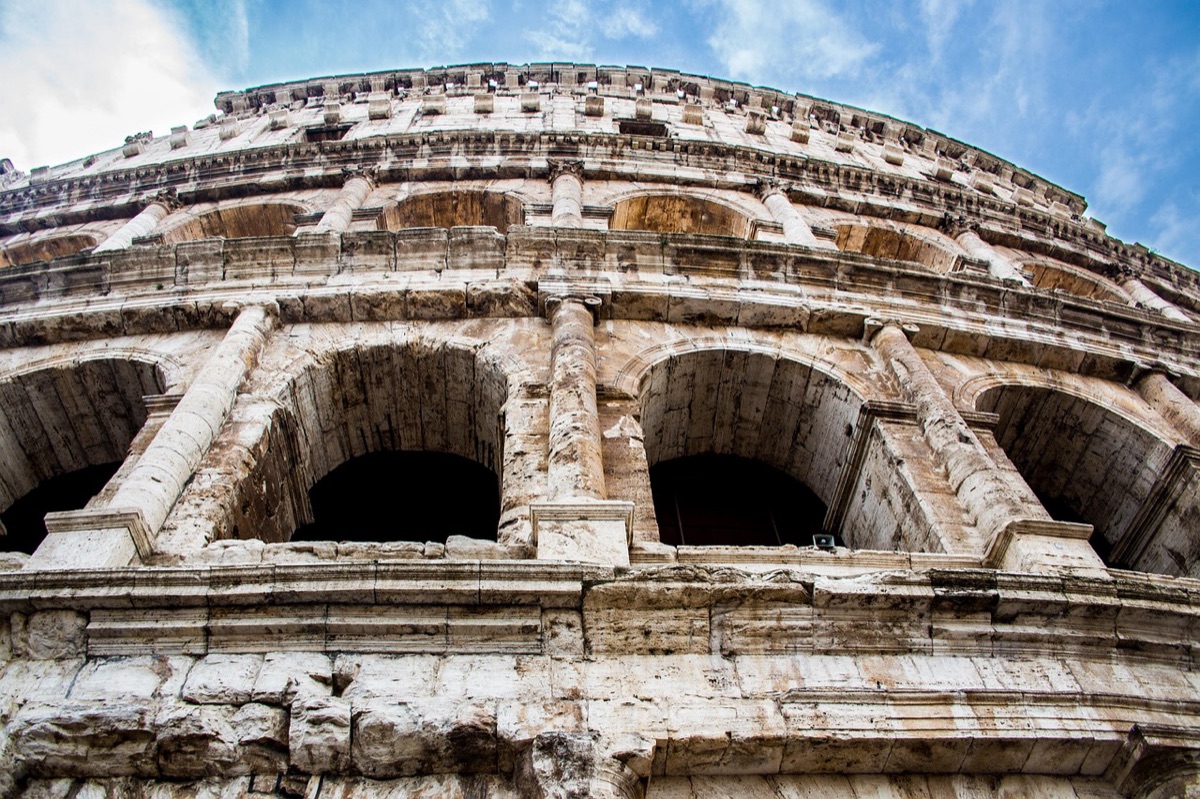
How is the "Essential 100" actually chosen? I remember sitting in a small cafe near the Pantheon on a Tuesday afternoon, looking at a list of churches I had scribbled on a napkin. I realized that if I tried to visit every beautiful altar, I would spend my entire trip in transit, exhausted and empty-handed.
According to the World Bank, Italy recorded a GDP per capita of US$43,309 in 2025.
To turn a chaotic list into a meaningful journey, you must apply specific criteria. The "Essential 100" is not an arbitrary number; it is a strategic selection designed to cover the pillars of Roman identity.
- Artistic and Architectural Pinnacle: This includes sites that house undisputed masterworks, such as a specific Caravaggio in a quiet side chapel or a Bernini altar that changes the very atmosphere of a room.
- Historical Nexus: These are churches tied to pivotal moments, such as those built over the catacombs of early martyrs or sites where popes were crowned.
- Pilgrimage Flow: A successful list must form a logical, navigable circuit. You don't want to zig-zag across the city every day; you want to move through neighborhoods like Trastevere or the historic center in a way that makes sense.
- Scale vs. Specificity: While a massive basilica is impressive, the "Essential 100" also prioritizes sites with unique, irreplaceable artifacts that cannot be found anywhere else in the world.
| Criteria | Purpose | Typical Example |
|---|---|---|
| Artistic Mastery | To witness human genius | A chapel with a Michelangelo fresco |
| Historical Weight | To touch the roots of faith | A church built over an ancient Roman temple |
| Geographic Logic | To manage travel fatigue | A cluster of sites in the Prati district |
| Unique Artifacts | To see the irreplaceable | A specific relic or ancient crypt |
When you look at a list like this, you might wonder if you are just following a script. But the real question is how to actually execute the plan without losing your mind.
Is it a pilgrimage or just tourism? The bells of a nearby campanile ring out at noon, signaling the hour. A group of tourists rushes past, checking their watches and talking loudly, while a lone traveler stands still, looking up at a marble facade.
According to UNESCO, 50% of the tourists who visit the UNESCO heritage sites in Italy are foreigners.
There is a fundamental difference between a tourist itinerary and a pilgrim's journey. A tourist often seeks the "greatest hits"—the most famous, most photographed, and most crowded spots. A pilgrim, however, seeks a sense of presence.
The role of the Vatican is central to both, but for the pilgrim, the Vatican is just the beginning. The true journey often happens in the local parish churches, where the atmosphere is thick with quiet devotion rather than selfie sticks.
Time management is the greatest challenge. If you treat every church like a museum, you will burn out by day three. The "Essential 100" allows you to balance high-intensity visits (the major basilicas) with quiet, reflective moments in smaller, significant chapels.
This prevents the mental fatigue that comes from constant sensory overload. However, even with a plan, the logistics of the city can still trip you up.
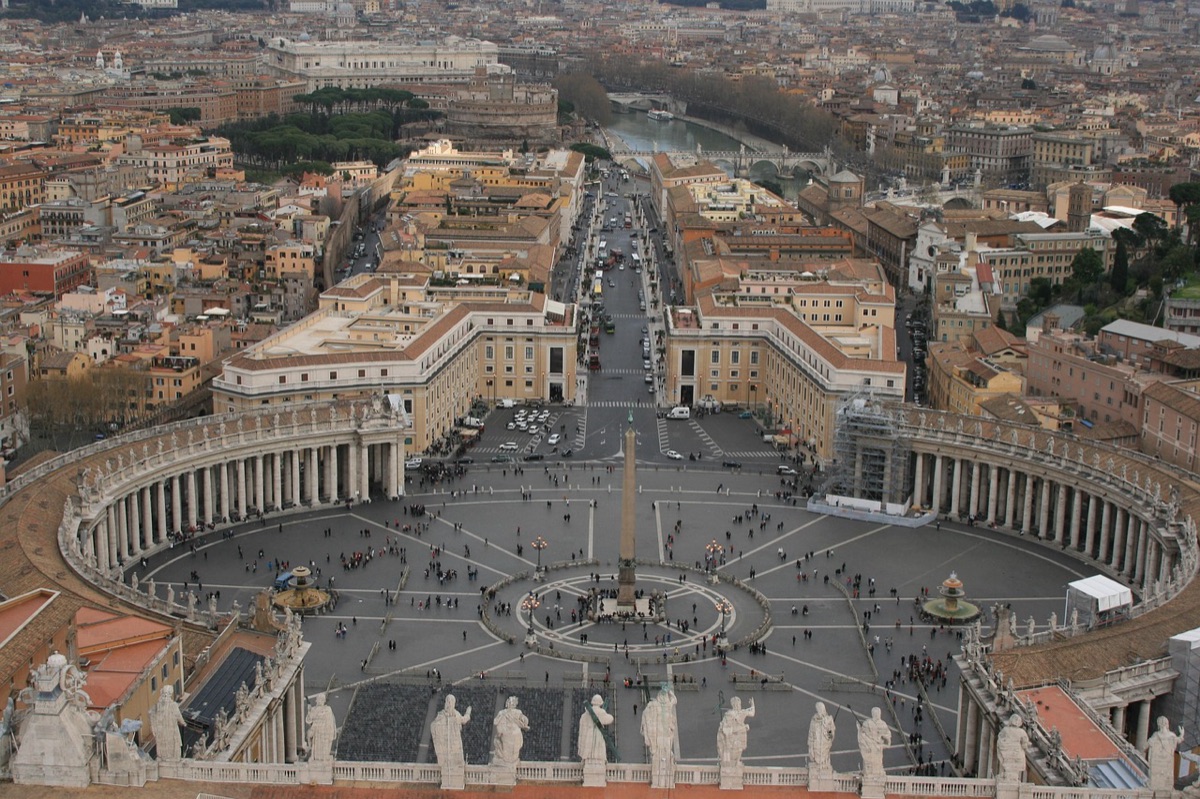
How to Navigate the Journey Without Burnout
Walking through the narrow streets of the Jewish Quarter at dusk, the air smells of rain and old stone. You realize that your itinerary is not just a list, but a path through time.
To successfully navigate 100 sites, you cannot simply pick names out of a hat. You must group them. A common mistake is to ignore the geography of Rome. Instead, you should approach the journey in thematic or neighborhood-based clusters.
The Strategic Visitation Checklist:
- Group by District: Spend one day in the historic center (near the Pantheon and Piazza Navona), another in Trastevere, and another near the Vatican. This minimizes travel time and maximizes immersion.
- Apply Chronological Flow: Some travelers prefer to follow the timeline, moving from early Christian sites to Baroque masterpieces, allowing them to see how art and theology evolved.
- Use the Tiered Approach: Spend two hours in a major basilica, but allow only thirty minutes for a smaller, secondary site. This keeps your momentum alive and prevents fatigue.
Efficiently moving between these sites requires understanding Roman transit. While many of the most important churches are walkable, using the metro or local buses to jump between districts is essential for maintaining your energy levels. But what happens when you finish the list?
Beyond the Top 100: When to Dig Deeper
As I sat on a stone bench in a quiet courtyard in 2025, looking at a small, weathered door of a minor church, I realized that the "Essential 100" is merely a foundation.
The remaining 800 sites are not "unimportant"; they simply serve a different purpose. They are the sites of local devotion, where the history is micro-scale and deeply personal. A traveler might find a specific, quiet church that speaks to them more than a grand cathedral.
You should pursue these secondary sites when you have mastered the core circuit. If you find yourself with extra time or a specific interest—perhaps in a particular saint or a specific style of sculpture—the 800+ remaining sites offer endless discovery.
The goal is not "completeness," which is an impossible standard in a city this old. The goal is "sufficiency." If you have seen the 100, you have understood the soul of Rome. Everything else is a beautiful, deep exploration of its nuances.



Comments 0