Trastevere Nights: Embrace Local Roman Evening Culture
"The sun sets over the Tiber, and the masks of the daytime tourist begin to slip, revealing the living, breathing soul of the city."
To truly experience Rome, you must learn to transition from a sightseer to a resident. While the monuments command the daylight, the neighborhood streets of Trastevere own the night.
Key Takeaways * Trastevere serves as the gateway to authentic Roman evening life; success lies in following the neighborhood's natural rhythm rather than a rigid itinerary. * Prioritize immersion through the *aperitivo* ritual and wandering narrow alleys over checking off major landmarks.
* Strategic timing is the difference between feeling the pulse of the city and being trapped in a tourist bottleneck.
Why Trastevere is the Heartbeat of Roman Evenings
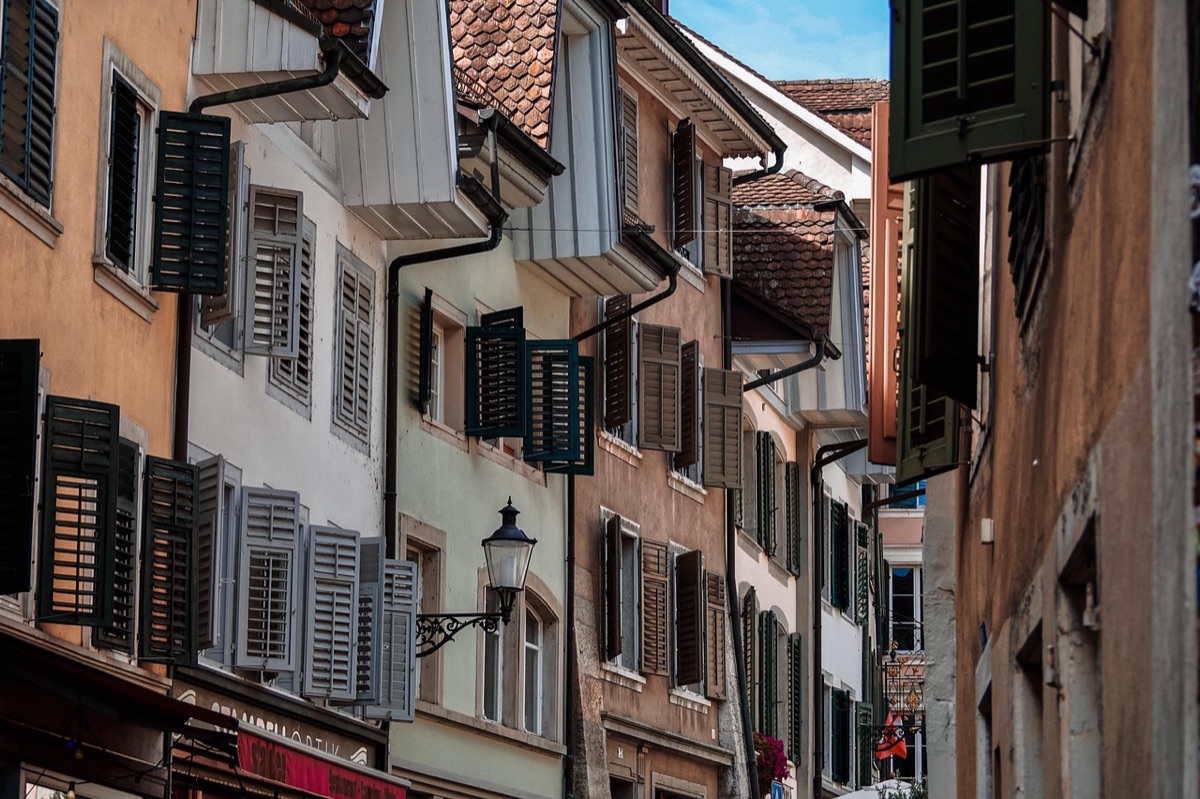
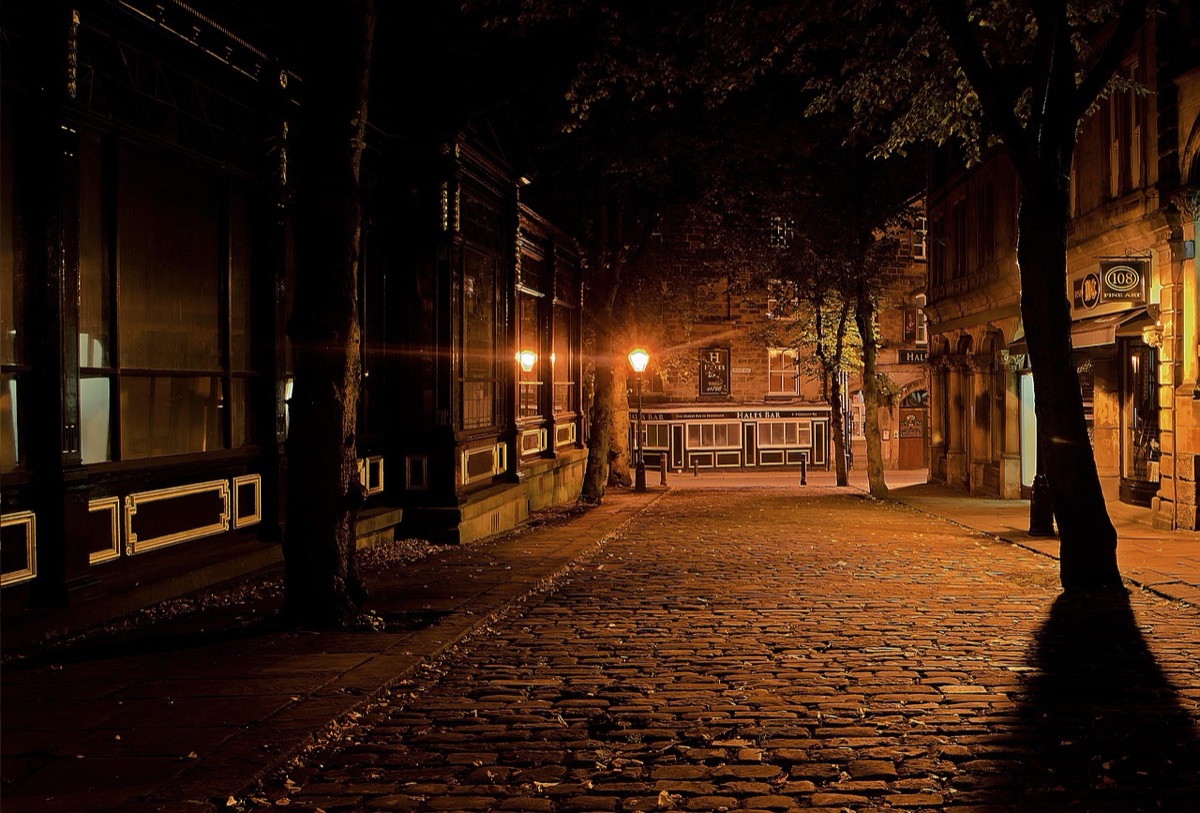
The orange glow of a streetlamp flickers to life over a cobblestone corner in Via della Lungaretta, and the scent of fried artichokes begins to drift from an open doorway. The heavy heat of the afternoon dissipates, replaced by a gentle breeze and the rising hum of conversation.
The neighborhood undergoes a total metamorphosis as the sun dips below the Janiculum Hill. During the day, it is a transit point for those walking toward the Vatican or the historic center, but as evening approaches, the residential soul takes over.
The transition is marked by the shift from the quiet footsteps of morning walkers to the rhythmic clatter of plates and the melodic swell of Italian chatter.
Navigating the flow requires an understanding of the layout. The main squares, like Piazza di Santa Maria in Trastevere, become dense hubs of energy, but the true magic lies in the secondary arteries.
If you stick to the wide thoroughfares, you will encounter the "bottleneck syndrome" where crowds move too slowly to feel the atmosphere. Instead, duck into the narrower side streets where the walls close in and the sounds of the city become intimate.
A vital part of this shift is the *aperitivo*. This is not merely a "happy hour" designed for quick drinks; it is a cultural necessity. It is the ritual of the pre-dinner transition, where locals gather to bridge the gap between the workday and the evening meal.
Sitting at a small, high table with a Spritz and a plate of olives is the first step in shedding your tourist identity and adopting the local pace.
But how do you actually find the food that defines the city?
How can I eat like a local in Rome? A waiter slides a steaming plate of *Cacio e Pepe* onto a wooden table, the black pepper flecked against the creamy cheese like stars in a night sky. The steam rises, catching the dim light of the trattoria, and for a moment, the rest of the world vanishes.
To eat like a local, you must understand the "Essential Trio" of Roman flavors. Seek out pasta dishes that rely on simplicity and high-quality ingredients: *Carbonara*, *Amatriciana*, and *Gricia*.
Beyond pasta, look for seasonal specialties like *Carciofi alla Romana* (Roman-style artichokes), which are often braised with garlic and herbs.
Finding the right venue is a delicate balance. There is a significant difference between a high-end modern restaurant and a traditional *trattoria*. A true *trattoria* is often family-run, with limited menus that change based on what was fresh at the market that morning.
Avoid places with large, laminated menus featuring pictures of food or staff standing outside beckoning you toward the door; these are almost certainly tourist traps.
For the sweet finale, the ritual involves a post-dinner stroll to a local *gelateria*. Avoid the shops where the gelato is piled high in neon-colored mountains; real gelato should be kept in metal tins and have a natural, slightly muted color.
Finding a small shop tucked away from the main piazzas ensures a more authentic taste and a quieter moment to reflect on the day.
When you find the perfect table, you realize the timing of the meal is just as important as the menu.
How do I master the Roman evening schedule? The shadows stretch long across the cobblestones at 6:00 PM, and the first wave of locals begins to emerge from their apartments. There is a specific energy in the air, a mixture of relief and anticipation, as the city prepares to wake up.
Timing is your most powerful tool. The "Golden Hour" is the period just before sunset when the light turns the ochre walls of the buildings into gold.
Arriving in Trastevere during this time allows you to witness the transition and secure a seat at a prime table before the peak dinner rush hits around 8:30 PM.
The pace of life in Rome is cyclical. There is the frantic energy of the morning and the slow, deliberate decompression of the evening. Understanding this helps you manage expectations.
If you try to rush through a meal, you will feel out of place and likely receive slower service, as the local culture values the time spent at the table.
After the meal, the evening doesn't necessarily end. A common local habit is the *passeggiata*, a slow, aimless walk intended to digest and socialize.
You might find yourself moving from a loud, crowded piazza to a quiet, dimly lit corner to enjoy a *digestivo*—a bitter liqueur intended to aid digestion. This contrast between the vibrant energy and the quiet pockets of the neighborhood defines the Roman night.
But why does the history of the city make the evening feel so much heavier than a night in Paris or London?
Beyond Trastevere: Echoes of Roman Life
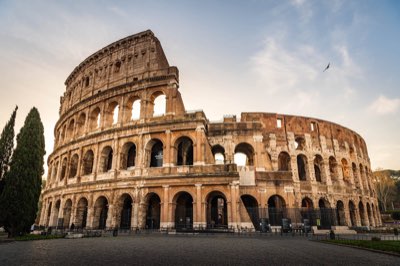
A massive stone archway stands silent in the moonlight, a ghost of an empire that once ruled the known world. The modern footsteps of a passerby echo against the same stones that were laid thousands of years ago.
According to Wikipedia: Tourism in Italy, 50% of the tourists who visit the UNESCO heritage sites in Italy are foreigners.
According to the World Bank, Italy recorded international tourist arrivals of 38,419,000 in 2020. As noted by UNESCO, 50% of the tourists who visit the UNESCO heritage sites in Italy are foreigners.
To understand why the evening feels so heavy and significant in Rome, one must look at the scale of the city. The *centro storico* (historical center) is relatively small, accounting for only about 4% of the total city area.
This density creates a sense of being constantly surrounded by history, where the modern world is layered directly on top of ancient foundations.
This layering is a constant reminder of the past. In the Imperial Era, the city was a place of constant movement and ritual, with as many as 135 days of the year dedicated to religious festivals and games.
While the scale and nature of these gatherings have changed, the impulse to congregate in communal spaces remains a core part of the Roman DNA.
The modern pace can feel jarring when compared to the slow, enduring nature of the ruins. However, the evening in neighborhoods like Trastevere acts as a bridge. It is where the ancient concept of the communal gathering meets the modern need for social connection and relaxation.
When you step out of the shadows and into the crowd, you need a plan to stay afloat.
Essential Survival Tips for the Evening Explorer
The crowd surges forward at a crosswalk, a sea of moving bodies and bright smartphone screens. You tighten your grip on your bag and step carefully over the uneven stones, navigating the organized chaos of the Roman street.
When navigating crowds, remember that movement is key. If a square feels too congested to enjoy, move one block over. The density of Rome can be overwhelming, but the neighborhood is designed with enough winding paths to allow for escape.
Safety is a practical consideration. In crowded evening settings, especially near transit hubs or busy piazzas, be mindful of your personal belongings. Keep your bag in front of you and avoid keeping large amounts of cash in easily accessible pockets.
When it comes to decision-making, do not feel pressured to commit to the first restaurant you see. The best way to find a great spot is to wander. If you see a place that looks interesting, walk a few more blocks to see if there is something better.
However, once you find a spot that feels right, commit to the experience and settle in. Finding the "sound of silence" is often about finding the right time and the right alleyway.
To make the most of your time, follow this evening checklist:
- The Transition (6:00 PM - 7:00 PM): Find a small bar in a side street and order an *aperitivo*. This is when the light is best and the crowds are still manageable.
- The Main Event (7:30 PM - 9:00 PM): Head to a local *trattoria*. Avoid the places with large crowds of tourists and look for the smaller, family-run spots.
- The Digestivo (9:30 PM - 10:30 PM): Take a slow walk through a residential area and find a quiet corner for a bitter liqueur or a quick gelato.
- The Reflection (11:00 PM+): Find a scenic overlook or a quiet piazza to sit and watch the city settle.
| Feature | Tourist Approach | Local Approach |
|---|---|---|
| Timing | Arriving at peak dinner time | Arriving during the *aperitivo* hour |
| Dining | Large menus with photos | Small, seasonal, handwritten menus |
| Navigation | Staying on main thoroughfares | Exploring side alleys and secondary streets |
| Pace | Rushing to the next landmark | Embracing the *passeggiata* and slow meals |
A Note on the Roman Experience It is important to recognize that not every corner of Rome will offer this level of immersion. Some areas remain heavily commercialized and can feel disconnected from the local pulse.
The advice provided here applies to residential and historically integrated neighborhoods where the living culture still takes precedence over the tourist industry.
FAQ
Is Trastevere safe to walk around at night? Yes, Trastevere is generally considered a safe and vibrant neighborhood for walking at night. However, as with any major city, remain aware of your surroundings and keep an eye on your belongings in crowded areas.
Do I need a reservation for dinner in Trastevere? For popular or highly-rated *trattorias*, a reservation is often necessary, especially on weekends. If you prefer a more spontaneous experience, aim for a weekday or look for smaller, less famous spots.
What is the best way to get to Trastevere from the city center? Trastevere is easily accessible via various bus lines and even a tram. Walking from the historic center is also a scenic and common way to arrive, allowing you to experience the changing character of the city as you move.





Comments 0