72-Hour Pass: Booking Lag vs. Physical Site Congestion
"The pass gets you through the gate, but the clock determines if you actually see the art."
A common mistake is thinking that securing a Roma Pass means securing an entrance. In reality, the pass is merely a key; the door only opens when the time slot allows.
Key Takeaways * Product vs. Capacity: A "sold out" pass means you can't buy the ticket; a "sold out" time means the site is at physical capacity. * Strategic Timing: Success depends on managing the site's operational capacity, not just the pass's validity period.
* The Booking Lag: You must distinguish between the right to enter and the specific window of entry.

Why "Sell-Out Date" vs. "Sell-Out Time" Matters for Roma Pass Users
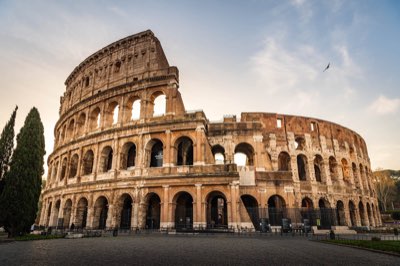
Standing in the shadow of the Colosseum at 11:00 AM on a Tuesday in 2026, a traveler realizes their pass is active, but the line for the timed entry gate stretches around the block. They have the pass, but they don't have an entry.
According to World Bank data, Italy recorded international tourist arrivals of 38,419,000 in 2020.
The distinction between the "sell-out date" and the "sell-out time" is the most frequent source of frustration for Roman travelers. When a website says the pass is sold out, it means the inventory of the physical cards or digital codes is exhausted for that period.
However, when an attraction is "sold out," it means the site has reached its maximum legal occupancy for a specific window.
For Roma Pass users, the pass itself is often available, but the specific time slots required to use the included free entries are often fully booked weeks in advance.
If you buy a 72-hour pass on Tuesday, you haven't actually "booked" your visit to the Colosseum; you have only purchased the eligibility to attempt a booking.
Relying on the pass to bypass the need for advanced planning is a recipe for standing on a Roman street corner while your expensive pass sits unused in your pocket.
The booking lag is the invisible wall. You might hold a valid pass, but if the site's internal management system shows no available slots for the afternoon, your pass is effectively useless for that window.
This is why the "last day" of a pass can be a disaster if you haven't synchronized your itinerary with the site's capacity.

Strategic Timing: How to Avoid Crowds with Your Roma Pass
Walking through the Borghese Gardens at 8:30 AM, the air is cool, and the sunlight hits the statues without the interference of thousand-person crowds. This is the luxury of understanding timing.
To truly use the pass effectively, you must treat the pass as a flexible tool rather than a fixed schedule. Most major sites in the historical center (centro storico)—which covers only about 4% of the city's total area—have peak congestion windows.
Typically, these occur between 11:00 AM and 4:00 PM.
The "sweet spot" for arrival is often the moment the gates open or two hours before they close. While the pass allows for movement via public transit, the quality of your visit is dictated by the dwell time.
If you spend four hours in a crowded queue at one site, you lose the ability to visit three others.
| Strategy | Purpose | Best For |
|---|---|---|
| Early Bird Entry | Avoid the midday heat and peak crowds | Colosseum, Capitoline Museums |
| Late Afternoon Shift | Utilize the pass during lower-occupancy windows | Roman Forum, Palatine Hill |
| Midday Transit | Use the pass for transport while sites are at peak | Moving between districts |
For example, using the pass to take the bus or metro during the midday heat allows you to relocate to a quieter neighborhood while the major landmarks are at their most congested.
Maximizing Value: Making Sure Your Roma Pass Pays Off
Sitting at a small cafe table in Trastevere, looking at a receipt, a traveler calculates whether the cost of the pass was worth the convenience.
Maximizing the value of the pass requires a cold, hard look at the math. It is not always the cheapest option. You must compare the cost of the pass against the individual entry fees of the sites you actually plan to visit.
If your itinerary only includes two museums, the pass may actually cost you more than individual tickets.
A successful multi-day plan sequences visits based on capacity. High-capacity sites like the Vatican Museums (though often requiring a separate OMNIA pass for full integration) or the Colosseum should be the anchors of your schedule.
Secondary sites that offer a more ambient experience should be used as "buffer" visits.
- Identify Anchors: Pick the two most expensive/crowded sites included in the pass.
- Check Availability: Verify if these sites require separate time-slot reservations.
- Build Buffers: Fill the gaps with sites that allow walk-in entry or have higher capacity.
- Calculate the Break-even: Ensure the total cost of the pass is lower than the sum of individual tickets + transit costs.
A common mistake is trying to do too much. Trying to hit four major sites in one day because "the pass is valid" leads to burnout and mediocre experiences. It is better to visit two sites deeply than four sites through a blur of crowds.
Pitfalls to Avoid: When the Pass Doesn't Save You
The sun is high, the humidity is rising, and a traveler realizes that despite having a pass, the line for the entrance is longer than the line for the ticket booth.
The most dangerous trap is the "Rush Hour" fallacy. Many travelers believe that because they have a pass, they can bypass the crowds. This is false. The pass facilitates entry; it does not magically clear the streets.
If you attempt to visit the Pantheon or the Roman Forum during peak tourist hours, you will still face significant congestion.
Logistical bottlenecks are another reality. A pass does not cover the time lost to a delayed bus or a sudden change in museum opening hours. Furthermore, the pass does not exempt you from the specific rules of the site.
For instance, certain religious sites may have strict dress codes that could prevent entry regardless of your pass status.
Pre-visit research is the only way to mitigate these risks. You must know the specific entry rules for every site on your list. Some sites may allow the pass for entry but still require a pre-booked time slot via their own website. If you arrive without that slot, the pass will not help you.
When I first tried this in the summer of 2025, I thought the pass would mean I could wander aimlessly. I ended up spending 120 minutes waiting for a bus while my pass sat idle. I learned that the pass is a tool for planning, not an excuse for lack of it.





Comments 0