Rome 3-Night 4-Day Itinerary: Skip Crowds, Find Soul
"The best way to see Rome is not to fight the crowds, but to outsmart them."
Skip the tourist crush and unlock the authentic heart of Rome with this curated 3-night, 4-day itinerary, balancing iconic must-sees with peaceful, local immersion.
KEY TAKEAWAYS * Efficiency is key: This route maximizes deep experiences while minimizing time spent in peak crowds. * Balance antiquity with modern Roman life: Mix heavy sightseeing with relaxed *aperitivo* hours.
* Strategic planning dictates quality: Booking times and choosing the right neighborhood base prevents burnout.
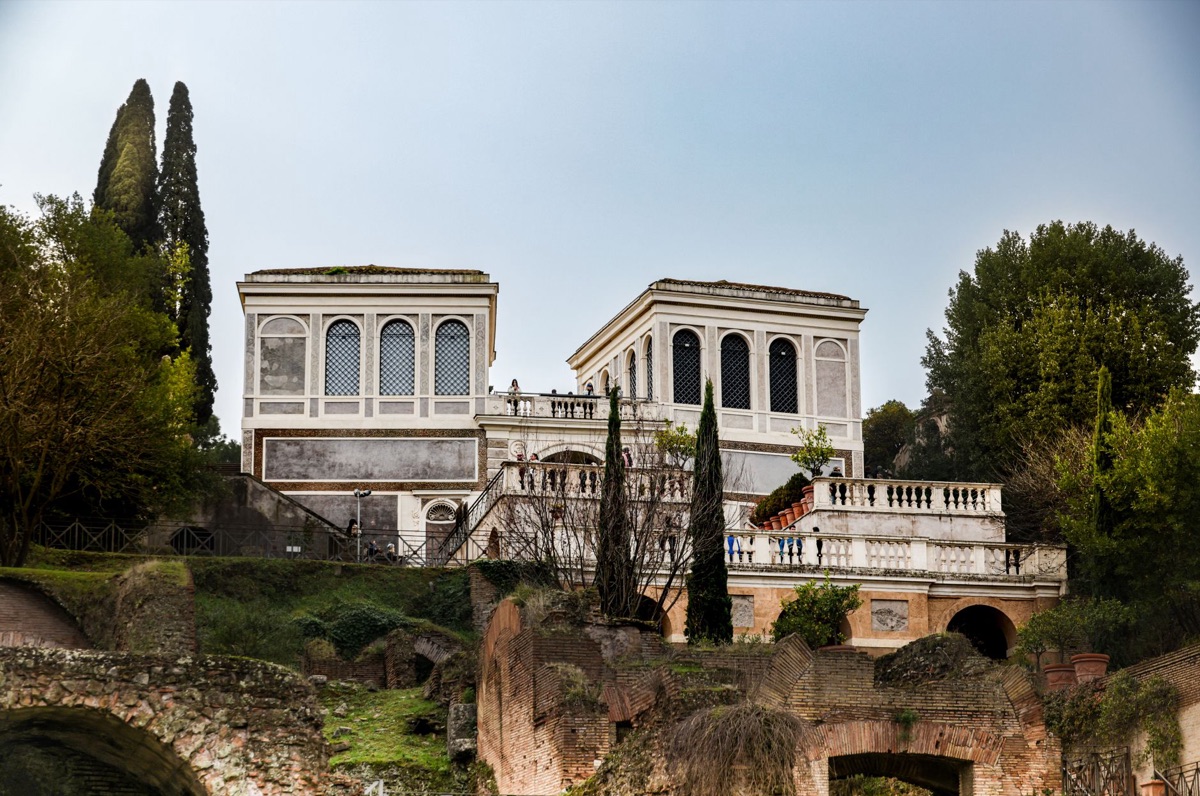
How do I master the logistics before my trip? I remember standing in the middle of Piazza Navona during a summer heatwave in 2025, looking at a sea of selfie sticks and feeling more like a spectator in a crowded subway than a traveler in an ancient city. The humidity was thick, and the noise of a thousand voices felt like a physical weight.
According to Wikipedia: Tourism in Italy, 50% of the tourists who visit the UNESCO heritage sites in Italy are foreigners.
It was then I realized that a Roman vacation is won or lost in the planning phase, long before you step onto the cobblestones. To avoid that feeling, you must define your goals: do you want to check every box, or do you want to feel the soul of the city?
Because the historical center (the *centro storico*) is quite small, occupying only around 4% of the city's total area, you don't need to live in the middle of the ruins to experience them. Choosing where to sleep is your first tactical move.
If you want ease of transport, Termini is a hub, but for atmosphere, look toward Trastevere or the area around Piazza Navona.
If you stay near the center, you can walk to almost everything, but remember that the city is much larger than its historic core. You also need to understand the scale of the crowd you are walking into.
According to World Bank data, Italy recorded 38,419,000 international tourist arrivals in 2020, and while numbers fluctuate, the density in Rome remains a constant challenge.
* Accommodation Tip: If staying in a hotel, remember that city taxes typically range from €3 to €7 per person, per night, depending on the type of accommodation. Children under 10 are often exempt, and these taxes usually stop applying after 10 days of stay. * Ticketing Tip: Never "wing it" with the Colosseum or Vatican. Pre-booking is not a luxury; it is a survival requirement.
With your base set and your tickets in hand, you are ready to step into the shadow of the emperors. But the real challenge begins when the sun rises on your first day.
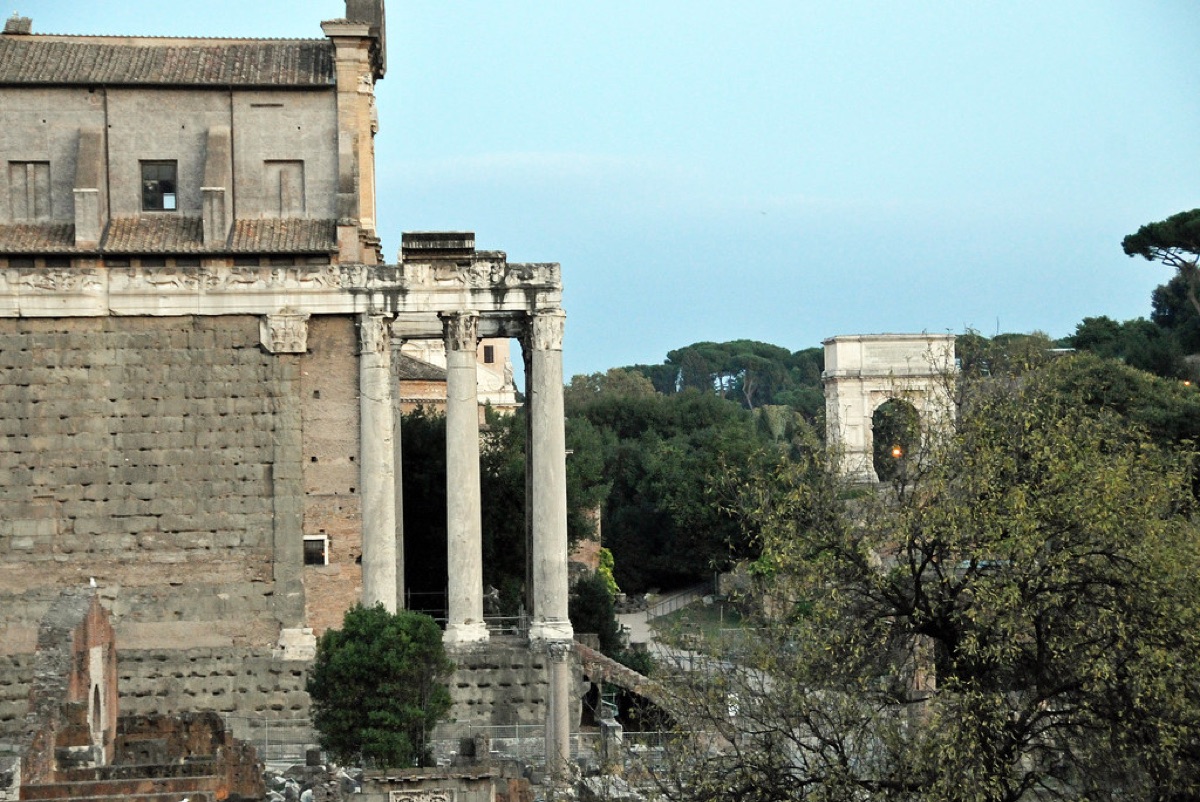
2. Day 1: Echoes of Empire – Why the Morning Matters
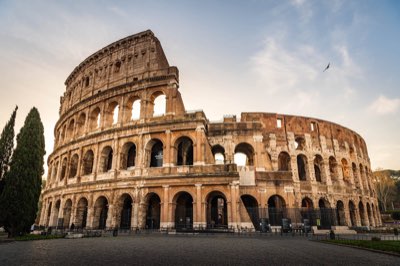
The sun hit the golden travertine of the Colosseum at 8:30 AM on a Tuesday in 2026, casting long, dramatic shadows across the arena floor as I walked toward the entrance. There was a quietness to the morning that felt heavy with history, a sharp contrast to the midday chaos that would soon follow.
Your first day is about scale. You want to understand the sheer magnitude of the Roman Empire. Start your morning as early as possible at the Colosseum and the Forum Romanum. This is where you confront the weight of history.
Use a specific entry time slot to avoid the midday heat and the thickest crowds.
After you have emerged from the ruins, head toward the Pantheon. Because the Pantheon is an active church and a centerpiece of the city, its atmosphere changes throughout the day.
If you time your visit for the late afternoon, the light through the oculus creates a cathedral-like effect that makes the crowds feel secondary to the architecture.
Finish your first day with an orientation walk. If you are staying in a central neighborhood, wander toward a local *enoteca* for an *aperitivo*. This is the Roman ritual of a pre-dinner drink accompanied by small bites, a perfect way to transition from "tourist mode" to "local mode."
| Feature | Morning Strategy | Afternoon Strategy | Evening Vibe |
|---|---|---|---|
| Focus | High-energy ruins | Architectural wonders | Social immersion |
| Activity | Colosseum & Forum | Pantheon & Trevi | *Aperitivo* & Walking |
| Crowd Level | Moderate (if early) | High | Moderate |
As the sun sets on your first day, you will realize that the ancient world is just a backdrop to the living city. However, the religious and artistic intensity of the next day requires a completely different mindset.
3. Day 2: Sacred Spaces – How to Survive the Vatican
I stood in the Sistine Chapel, looking up at Michelangelo’s ceiling, and realized that no amount of high-resolution photography can prepare you for the sheer density of color and emotion in that room. The air felt thick, not just with incense, but with the weight of centuries of devotion.
Day two is dedicated to the Vatican. This is often the most overwhelming part of a Roman trip due to the sheer volume of art and people. To survive this, you need a clear plan. You will spend your morning in the Vatican Museums and the Sistine Chapel.
If you want to maximize your time, consider integrated passes. For example, an OMNIA Vatican and Rome pass can be a lifesaver, as it includes services like the Roma Pass, entry to the Vatican Museums and Sistine Chapel, and fast-track entry to St. Peter's Basilica.
After the museums, make your way to St. Peter's Basilica. If you have the stamina, climbing the Dome (the *cupola*) offers a view of the city that makes the morning's crowds feel miles away.
* Pro Tip: If you find yourself overwhelmed by the museum crowds, don't fight the flow. Find a quiet corner or a side chapel to reset before moving to the next major hall.
The transition from the religious intensity of the Vatican back to the streets of Rome requires a change in pace. But what happens when the monuments start to feel too heavy?
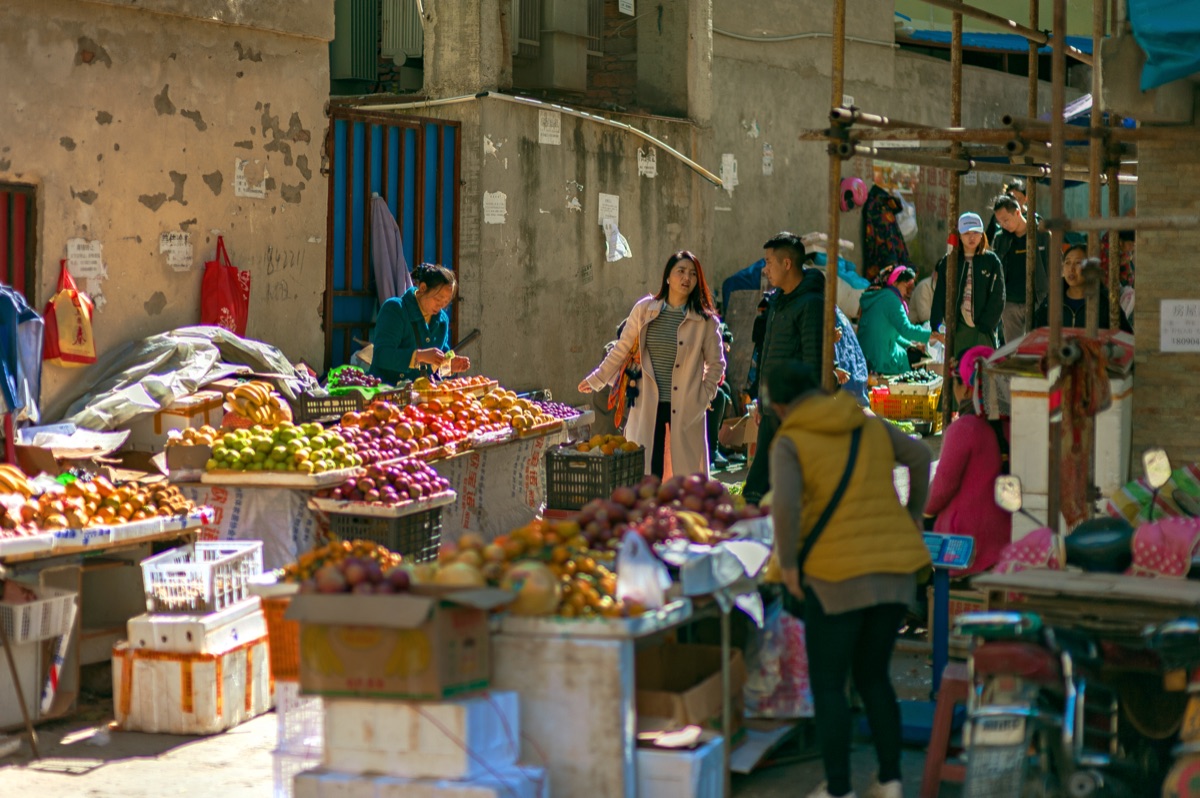
How can I find the real Rome beyond the ruins? I sat at a small, wobbly wooden table in a Trastevere corner on a breezy afternoon in 2026, sipping a bitter Negroni and watching a local nonna argue playfully with a vendor over the price of tomatoes. This wasn't a museum; this was life, happening right on top of two thousand years of history.
On day three, we shift from the monumental to the human. After two days of heavy history, you need to breathe. Start your morning in a greener space, like the Villa Borghese gardens. It is a perfect place to escape the urban density and enjoy a slower pace.
In the afternoon, dive into the culinary heart of Rome. This is the time for a dedicated pasta tour or a search for the perfect *gelato*. Visit a local market, like Campo de' Fiori, to see the seasonal produce that has fed the city for generations.
If you feel the urge to leave the city limits, a short excursion to Tivoli to see Villa d'Este is a magnificent option. The fountains there offer a refreshing break from the Roman heat and a different kind of architectural beauty.
* Culinary Goal: Seek out authentic *Cacio e Pepe* or *Carbonara* in a neighborhood trattoria rather than a tourist-trap restaurant near a major monument.
By the time you reach your final day, the city will no longer feel like a series of sights, but a place where you have actually lived. But how do you wrap up an experience this vast?
5. Day 4: Farewell Rome – The Perfect Departure Checklist
The early morning light hit the cobblestones of a quiet side street, and for a moment, I felt like I was the only person in the world. It was a quiet, reflective moment that served as a perfect bookend to the whirlwind of the previous days.
Your final day is about closure. Depending on your flight schedule, use this time for a "second chance" visit. If there was a museum you missed or a piazza you loved, go back during the quietest hours of the morning.
Use your final hours for thoughtful souvenir shopping—think high-quality leather or local specialty foods—and one last, perfect Roman meal. Avoid the urge to rush; let the final morning be a slow immersion into the atmosphere you've grown to love.
The Departure Checklist: 1. Confirm Transit: Check the Leonardo Express schedule at Termini station to ensure you arrive at Fiumicino Airport at least 3 hours before your flight. 2.
Final Meal: Select a trattoria at least 24 hours in advance if you want a specific table for your farewell lunch. 3. Pack Smart: Ensure all liquid-based food souvenirs (like olive oils) are securely packed and meet airline weight requirements. 4.
Digital Backup: Download offline maps of the city center to navigate the narrow streets without relying on spotty cellular data.
As you head to the airport, you won't just be leaving a city; you'll be carrying a piece of its history with you.




Comments 0