Rome Nasone Tips: Hydration guide for your Roman journey
"The fountain provides a constant flow, much like the history that surrounds every corner of the city."
Traveling through the historic streets of Italy requires preparation for the heat and the sheer scale of the urban landscape. This guide explores the practicalities of navigating Rome's water sources and tourist infrastructure to ensure a seamless journey.
You will learn about local water accessibility, various tourist passes, and the geographical layout of the city to help plan your itinerary.
Why do locals love the Rome Nasone tips?

A traveler walks through a sun-drenched piazza, feeling the dry heat of a Roman summer against their skin. They spot a small, iron spout protruding from a stone wall and realize this is a reliable source of fresh water.
The popularity of these fountains stems from their accessibility and the freshness of the water they provide to those navigating the city. Understanding Rome Nasone tips helps visitors manage hydration while walking through diverse districts.
Using these water sources is a common practice for anyone spending long hours exploring the streets.
The city's layout often leads visitors to seek out these reliable spots during long walks. A Nasone fountain guide would explain that these ubiquitous features are essential for staying hydrated without constantly purchasing bottled water.
For those wandering through the historical center, knowing where to find these spouts is a vital part of the local routine.
The historical center is quite small, representing only around 4% of the city's total area. This compact nature makes it easy to navigate between various landmarks and water sources.
However, the convenience is limited during periods of extreme drought or maintenance closures.
How to use Nasone effectively?
A person approaches a metal spout, carefully positioning a reusable bottle under the steady stream. They adjust the flow to prevent splashing while the cool water fills the container.

Effective hydration involves understanding the mechanics of the fountain. To master the art of drinking from Nasone, one should follow these simple steps:
- Position your bottle or mouth directly under the spout to catch the steady stream. 2. Turn the small tap or lever to control the pressure of the water flow. 3. Ensure the area around the spout remains clear of debris to maintain hygiene.
I remember standing near a stone monument, checking my bottle against the flow to ensure I didn't miss a single drop. While the water is safe and refreshing, always check the surrounding area to ensure the spout is functioning as intended.
A Nasone fountain secrets-style approach involves recognizing that these fountains are placed strategically throughout the city. This allows travelers to maintain hydration without needing to carry heavy supplies.
- Locate the spout of the fountain.
- Position your bottle or glass directly under the flow.
- Adjust the pressure by tapping the valve if necessary.
How can Nasone benefit my travels? A group of tourists gathers around a stone basin, laughing as they take turns filling their cups. The sudden burst of cool water provides an instant relief from the afternoon sun.
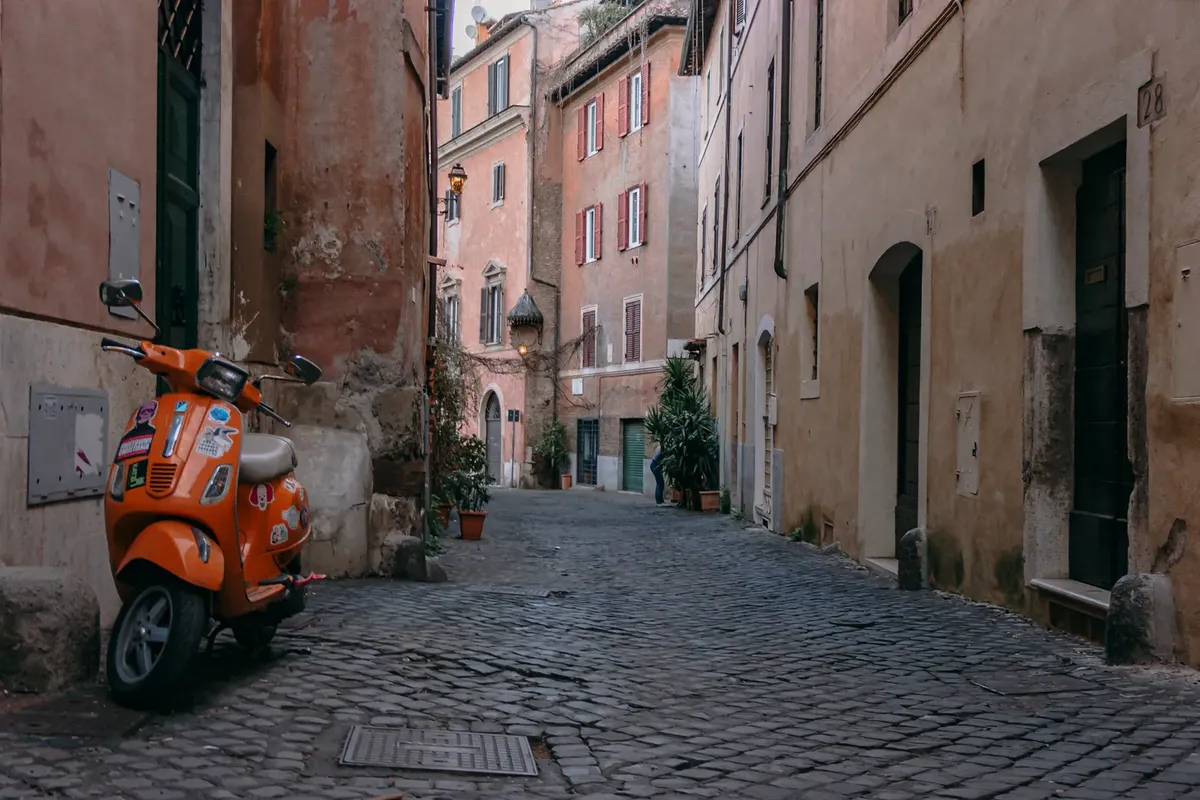
The primary advantage of these fountains is the ability to access free, clean water at almost any time. Beyond simple hydration, the benefits of Nasone include cost savings and environmental friendliness.
| Benefit Category | Description |
|---|---|
| Economic | Eliminates the need for constant bottled water purchases |
| Environmental | Reduces plastic waste by encouraging reusable bottles |
This comparison shows how a simple habit can impact both a traveler's budget and the environment. Using these sources is a practical way to manage the costs of a long-term trip.
The convenience of these water points is a major reason why they remain a staple of Roman life. For many, the water is a reliable companion during a day of sightseeing.
I find that the third point regarding cost savings is the most significant.
How do Rome's fountains compare to modern amenities? A traveler looks at a digital map on their phone, then looks up at a nearby fountain, weighing their options. They decide to fill their bottle before heading toward a more modern district.
While modern bottled water is available everywhere, the traditional fountains offer a unique connection to the city's infrastructure. When considering Rome water fountain tips, one must balance the convenience of shops with the reliability of the fountains.
The city offers various ways to manage life on the move, from high-tech solutions to traditional spouts. The contrast between the ancient streets and modern amenities is a constant theme in the city.
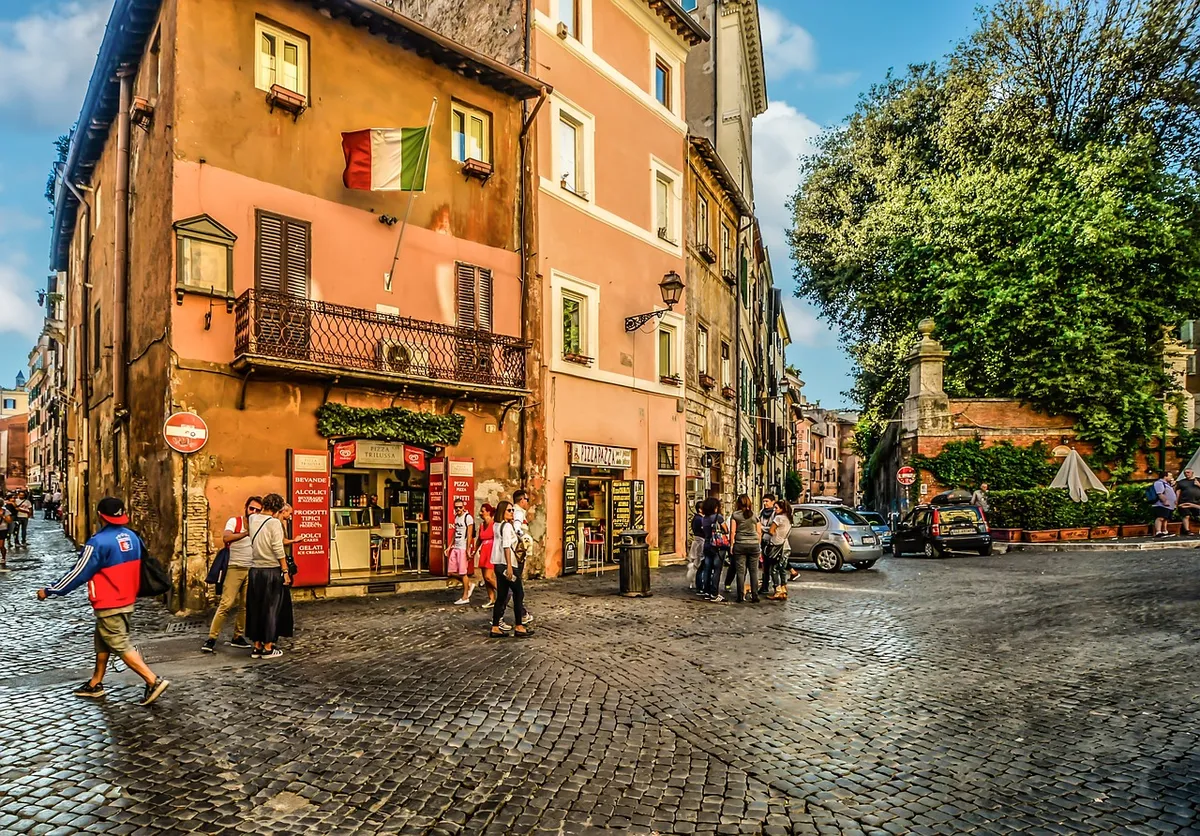
The city's territory is vast, extending from the inland center to the southwestern district of Ostia. This wide range of environments means that water access is a consistent necessity.
This comparison does not apply to bottled water sold in high-end retail environments.
Planning with a Nasone fountain guide
A traveler sits in a cafe, spreading a map across the table to plan the next leg of their journey. They mark several points on the map where they can find water or rest.
When using a Nasone fountain guide to plan a route, you should consider the distance between landmarks. It is helpful to identify clusters of fountains in major tourist areas to ensure you never run out of water.
If you are using a pass for entry to museums, you might find yourself walking much more than anticipated. A well-planned route uses these water points as natural waypoints for breaks.
The city's various districts, such as the modern center where hotels and dining are located, offer different levels of accessibility. Planning your route through these areas ensures you can stay hydrated throughout the day.
The second step in this sequence is the most detailed.
Managing the urban environment
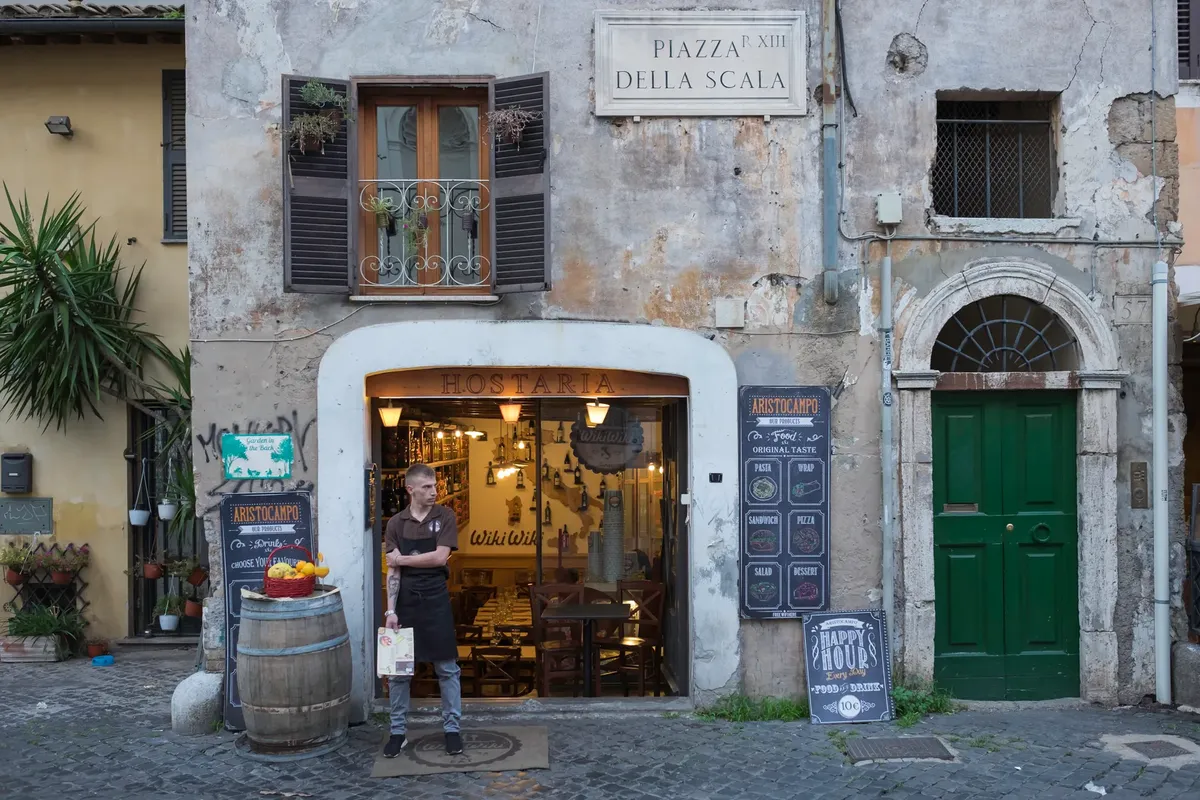
A person walks through a busy shopping district, occasionally pausing at a quiet side street to find a moment of peace. They notice how the architecture changes from the historic center to the more modern areas.
The scale of the city can be overwhelming, but knowing the layout helps in managing your energy. The Comune of Rome covers an overall area of about 1,285 km2 (496 sq mi), including many green areas.
Navigating these diverse environments requires a mix of traditional knowledge and modern tools. Whether you are in the historical center or the wider city territory, staying hydrated is essential.
The city can be divided into several districts, each offering a different atmosphere and set of amenities. Understanding these divisions helps in managing your travel expectations.
The effectiveness of these measures is limited in areas with aging infrastructure.
Related




Comments 0